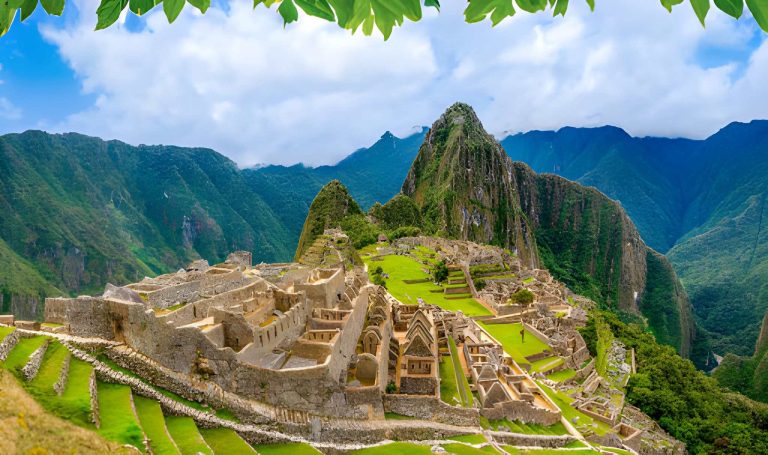

The Salkantay Trek is the main alternative route to Machu Picchu, named after Nevado Salkantay — one of the highest peaks in the Peruvian Andes at 6,271m.
Compared with the Classic Inca Trail, Salkantay is harder, longer, less crowded and doesn’t need the four-month-advance permit. The route takes 4 to 6 days over roughly 70km of trail.
Key features:
1. Scenery: The route cuts through snow peaks, high-altitude puna, deep valleys, cloud forest and remote highland villages. The Salkantay Pass sits directly below the mountain’s south face.
2. Terrain: The high point is the Salkantay Pass at 4,630m. Expect long days — steep ascents and descents, loose rock, variable weather. Fitness and prior altitude acclimatisation (minimum two days in Cusco) are non-negotiable.
3. Cultural stops: You pass through Quechua communities along the route, with chances to see highland farming practice first-hand. Lesser-known Inca ruins appear on parts of the route.
4. Nights: Standard trips use designated campsites with tent-and-sleeping-bag kits provided. Upgraded options use eco-lodges or community rustic lodging — Mountain Lodges of Peru runs the main lodge-to-lodge version.
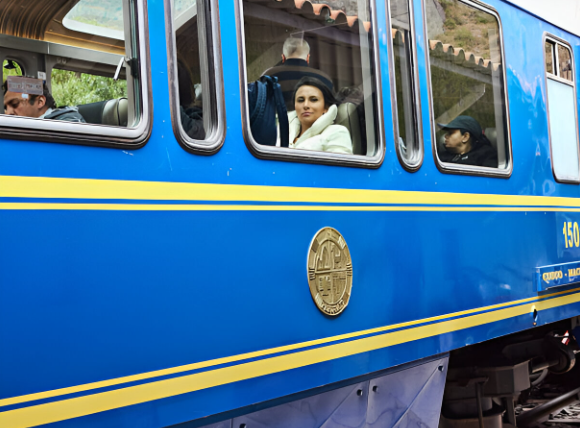
5. The finish: You walk out of the Andes into the cloud forest at Lucmabamba or Hidroeléctrica, then take the train the last leg into Aguas Calientes. From there the Consettur shuttle climbs to the Machu Picchu gate the following morning.
Book through a licensed operator — SERNANP regulates the route and porter welfare has been an issue historically. A good operator covers permits, meals, equipment and an English or Spanish-speaking guide.
Salkantay is the right choice if you want the Andes with more silence and more vertical than the Classic Trail gives you.
The route runs 4 days/3 nights or 5 days/4 nights. Book the Salkantay Trek HERE