
Cusco, a city steeped in history and culture, sits at an elevation of approximately 3,400 meters (11,152 feet) above sea level. This remarkable altitude is one of the reasons why Cusco is a must-visit destination for travelers seeking to explore the heart of the Inca Empire. However, the elevation can pose challenges for some visitors, so understanding its effects is crucial for a pleasant stay.
Upon arrival, many travelers experience altitude sickness, which can include symptoms such as headaches, nausea, and fatigue. To mitigate these effects, it’s advisable to take a few days to acclimatize before embarking on extensive tours or treks. Staying hydrated and consuming light meals can also aid in the acclimatization process.
Despite its high elevation, Cusco offers breathtaking views of the Andes Mountains, charming colonial architecture, and vibrant local markets. The city’s elevation provides a unique opportunity to explore its rich history, including sites like the Qorikancha Temple and the Sacsayhuamán fortress. Each landmark reflects the ingenuity and resilience of the Inca civilization.
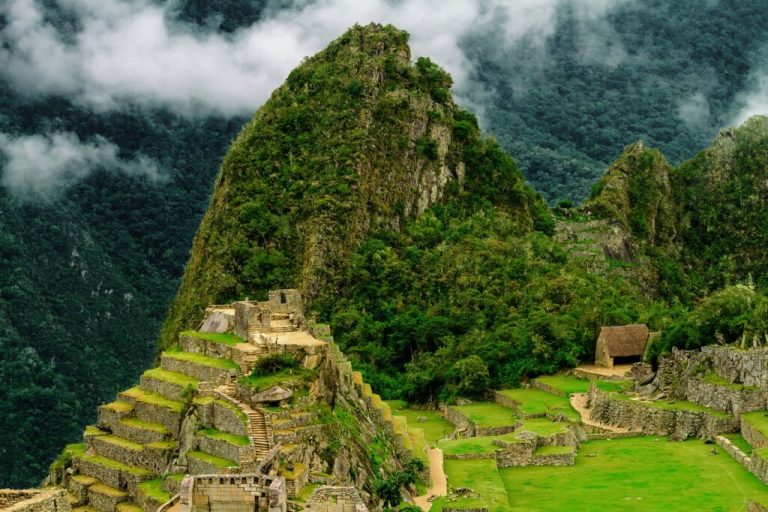
For those planning to visit the iconic Machu Picchu, understanding Cusco’s elevation is vital, as it serves as the gateway to this ancient wonder. Many travelers opt for guided tours that include transportation from Cusco to Machu Picchu, ensuring a seamless journey despite the altitude differences.
To enhance your experience in Cusco and make the most of its unique offerings, consider planning your trip through Peruways. Their tailored travel packages include everything from accommodation to guided tours, making your journey both enjoyable and convenient. Embrace the beauty of Cusco while being mindful of its elevation, and you’ll create unforgettable memories in this enchanting city.