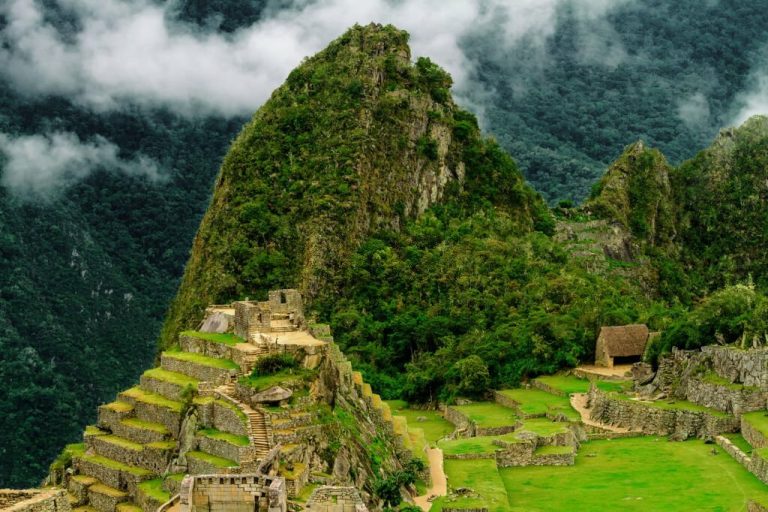
Machu Picchu, often referred to as the “Lost City of the Incas,” sits at an elevation of approximately 7,970 feet (2,430 meters) above sea level. This altitude, combined with its stunning location in the Andes Mountains, contributes to the site’s breathtaking views and unique climate. However, the elevation also plays a crucial role in how visitors prepare for their journey.
When planning a trip to Machu Picchu, understanding the elevation is essential for ensuring a comfortable experience. Many travelers start their journey in Cusco, which is significantly higher at about 11,152 feet (3,400 meters). This elevation difference means that acclimatization is vital. Visitors often spend a few days in Cusco or the Sacred Valley to adjust before heading to Machu Picchu, minimizing the risk of altitude sickness.
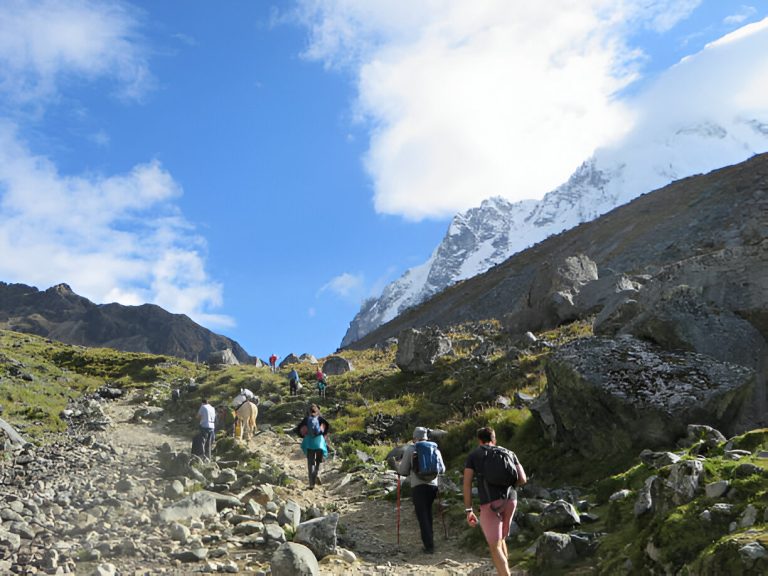
At Machu Picchu, the air is thinner, and physical exertion can feel more strenuous than at sea level. Staying hydrated and pacing yourself while exploring the site is key. Many travelers choose to explore the various trails, temples, and terraces at a leisurely pace, allowing their bodies to adapt.
The elevation of Machu Picchu also contributes to its distinct flora and fauna. The surrounding cloud forest is home to diverse plant species and wildlife, enhancing the overall experience of this ancient wonder.
For those planning a trip to Machu Picchu, it’s essential to prepare adequately for the elevation. Consider guided tours or travel resources that provide tips on acclimatization and itineraries tailored to your needs. Visit Peruways for expert guidance and comprehensive travel options that will help you navigate the unique challenges of Machu Picchu’s elevation, ensuring a memorable and enjoyable adventure.