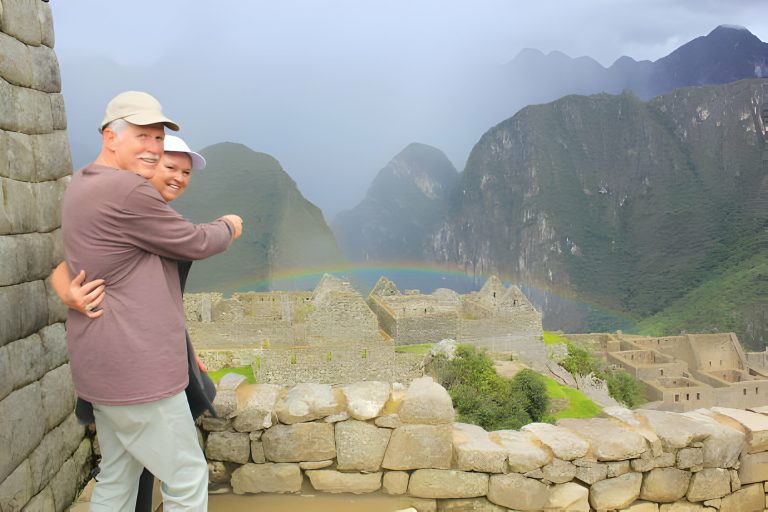

Within the mist-shrouded peaks of the Andes Mountains, Machu Picchu demonstrates the ingenuity and sophistication of the ancient Inca civilization. Recognized as a UNESCO World Heritage Site since 1983, this spiritual citadel continues to capture the imagination of travelers from around the globe, drawing them into its enigmatic embrace.
A Symbol of Inca Civilization: Built during the height of the Inca Empire in the 15th century, Machu Picchu served as a sacred sanctuary, a royal estate, and an astronomical observatory. Its precise architecture and strategic placement with the natural landscape reflect the Inca’s reverence for nature and their deep spiritual connection with the cosmos.
Rediscovery and Global Fame: Machu Picchu remained hidden from the outside world for centuries until its rediscovery by American explorer Hiram Bingham in 1911. Bingham’s expedition brought international attention to the site, sparking a resurgence of interest in Inca culture and archaeology. Today, Machu Picchu welcomes over a million visitors annually, cementing its status as one of the world’s most landmark travel destinations.
Challenges and Conservation: Despite its enduring popularity, Machu Picchu faces threats from environmental degradation, climate change, and unsustainable tourism practices. Conservation efforts, spearheaded by the Peruvian government and local communities, aim to preserve the site’s cultural integrity while promoting sustainable tourism and responsible stewardship of the surrounding ecosystem.
As the sun sets behind the towering peaks of the Andes, Machu Picchu is a beacon of cultural heritage and historical significance. Its atmospheric allure continues to inspire awe, inviting travelers to set out of exploration and discovery. Whether tracing the footsteps of ancient Inca rulers or seeing the citadel’s architectural sights, Machu Picchu remains a timeless symbol of human achievement and ingenuity.