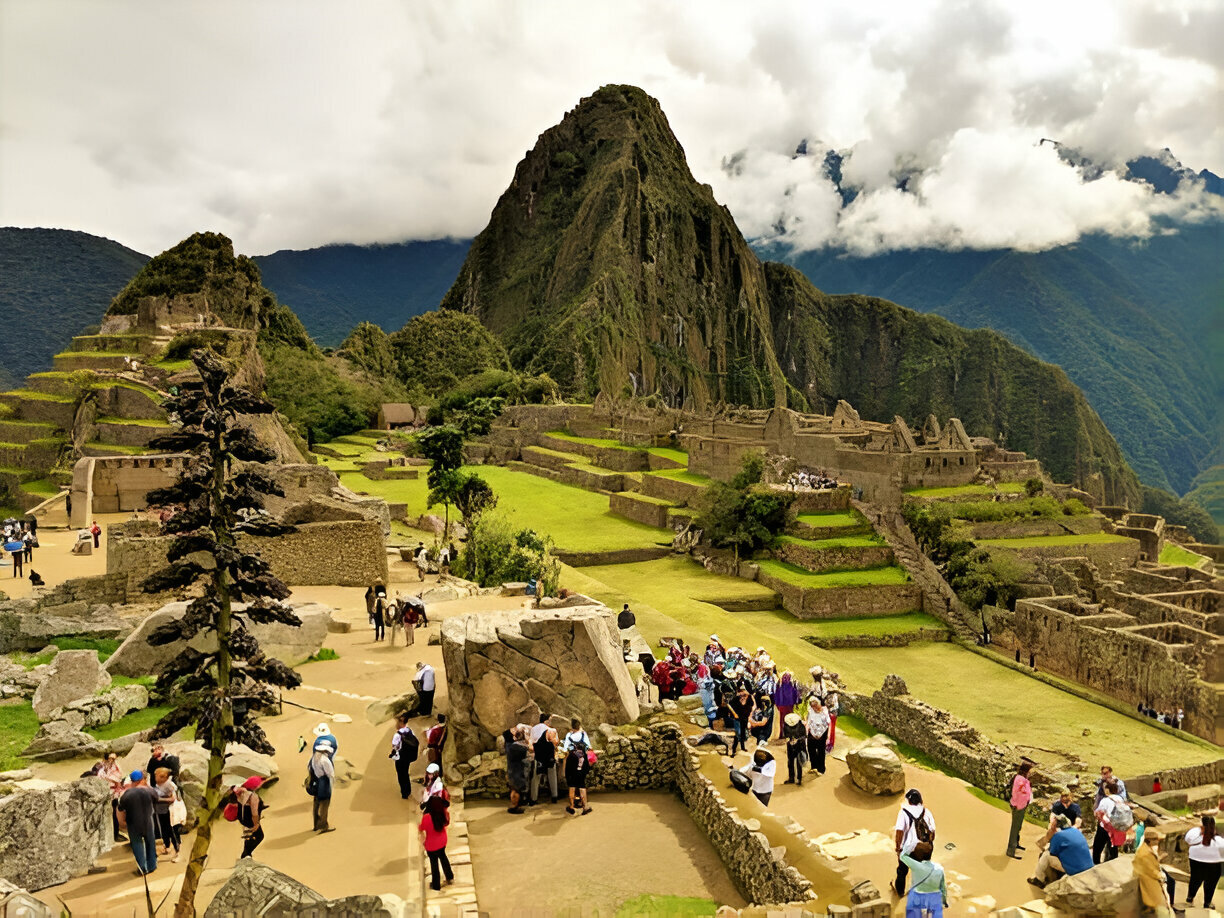
Machu Picchu, the awe-inspiring Incan citadel, sits at an elevation of approximately 2,430 meters (7,970 feet) above sea level. This elevation significantly impacts your visit, making it essential to understand and prepare for the effects of high altitude.
The altitude can cause altitude sickness, characterized by symptoms like headaches, dizziness, and shortness of breath. To minimize these effects, it’s crucial to acclimate before arriving at Machu Picchu. Spending a few days in Cusco or the Sacred Valley, where the altitude is lower, helps your body adjust gradually. This preparation reduces the risk of altitude sickness and enhances your overall experience at the citadel.
Staying hydrated is another key aspect of managing high altitude. The dry air at elevated altitudes increases the risk of dehydration, which can worsen altitude sickness symptoms. Drinking plenty of water and avoiding alcohol can help your body cope with the conditions more effectively. Additionally, pacing yourself and taking breaks while exploring Machu Picchu allows you to enjoy the site without overexerting yourself.
For comprehensive tips and insights on how to handle the elevation at Machu Picchu, Peruways offers valuable resources. This site provides practical advice on acclimatization, hydration, and what to expect during your visit, helping you plan a smooth and enjoyable journey.
Understanding Machu Picchu’s elevation and preparing accordingly ensures a more comfortable and enriching experience. With expert guidance from Peruways, you can fully appreciate the majesty of this ancient wonder.