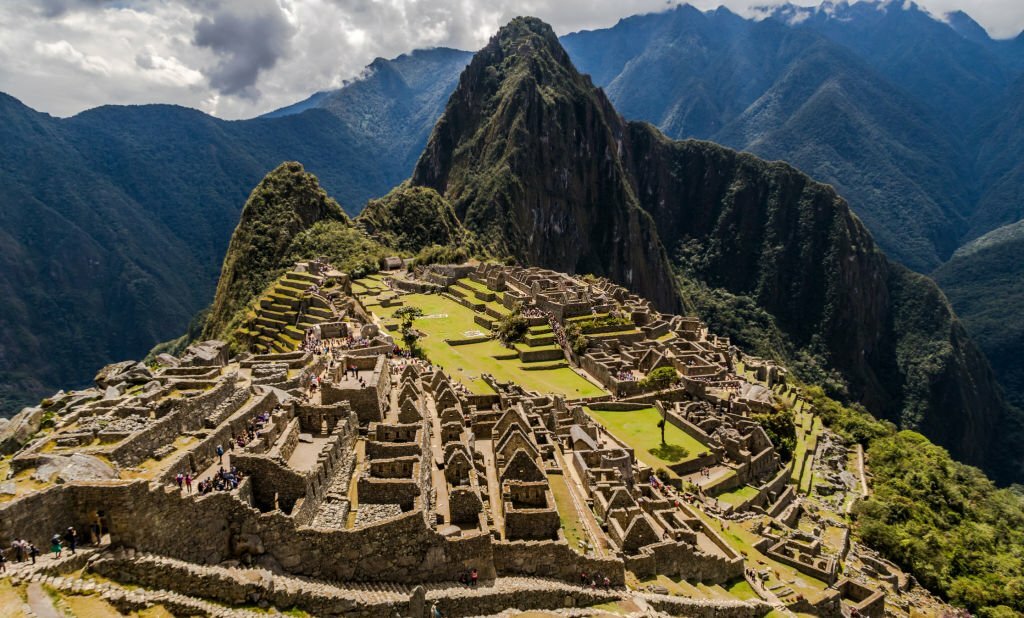
Machu Picchu, the ancient Incan citadel nestled in the Andes Mountains, is a bucket-list destination for travelers worldwide. However, its high elevation, approximately 2,430 meters (7,970 feet) above sea level, can pose a challenge for many visitors. Adjusting to the altitude is crucial for ensuring a comfortable and enjoyable trip. Here are some essential tips to help you acclimate to Machu Picchu’s elevation and make the most of your adventure.
1. Acclimatize Gradually
One of the best ways to prepare for the high altitude of Machu Picchu is to acclimatize gradually. If possible, spend a few days in Cusco or the Sacred Valley before heading to Machu Picchu. Cusco sits at an even higher altitude of around 3,400 meters (11,200 feet), so spending time there will help your body adjust. Avoid strenuous activities during the first 24-48 hours and allow your body to adapt to the thinner air.
2. Stay Hydrated
Hydration is key to combating altitude sickness. Drink plenty of water throughout your journey to keep your body well-hydrated. Dehydration can worsen the symptoms of altitude sickness, such as headaches and dizziness. Additionally, avoid alcohol and caffeine, as these can contribute to dehydration and exacerbate symptoms.
3. Eat Light and Nutritious Meals
Opt for light, easily digestible meals while acclimating to the altitude. Eating heavy, greasy foods can lead to digestive discomfort, especially at higher elevations. Instead, choose small, frequent meals that are rich in carbohydrates, as they can provide the energy your body needs to adjust to the altitude.
4. Take it Easy
Listening to your body is crucial when adjusting to high altitudes. Avoid overexertion, especially during the first few days of your trip. Take breaks often, walk at a slower pace, and don’t push yourself too hard. Resting when needed will help your body acclimate more effectively and prevent the onset of severe altitude sickness symptoms.
5. Consider Medication
Consult with a healthcare professional before your trip about medications that can help prevent altitude sickness. Acetazolamide (Diamox) is commonly prescribed to help reduce the symptoms of altitude sickness. It’s important to start the medication a day or two before ascending to higher altitudes and continue taking it as directed by your doctor.
6. Use Supplemental Oxygen if Needed
If you experience severe symptoms of altitude sickness, such as severe headache, nausea, or difficulty breathing, seek medical attention immediately. Some hotels in Cusco and the Sacred Valley offer supplemental oxygen for guests experiencing discomfort. Utilizing supplemental oxygen can provide relief and help you acclimate more comfortably.
7. Coca Leaves and Tea
Coca leaves have been traditionally used by Andean people to combat altitude sickness. Many locals chew coca leaves or drink coca tea to alleviate symptoms. While coca leaves are not a cure, they can help reduce the discomfort associated with altitude sickness. Coca tea is widely available in Cusco and other high-altitude areas in Peru.
8. Monitor Your Health
Pay close attention to how your body is responding to the altitude. Symptoms of altitude sickness include headache, nausea, dizziness, fatigue, and shortness of breath. If symptoms worsen or become severe, it’s important to descend to a lower altitude and seek medical assistance.
By taking these precautions and being mindful of your body’s response to the altitude, you can enjoy your visit to Machu Picchu without being hindered by altitude sickness. Remember, acclimating to high altitudes takes time, so be patient with yourself and take the necessary steps to ensure a comfortable and memorable journey.
Ready to explore the wonders of Machu Picchu? Book your trip today here and embark on an adventure of a lifetime, fully prepared for the heights of this magnificent ancient city.