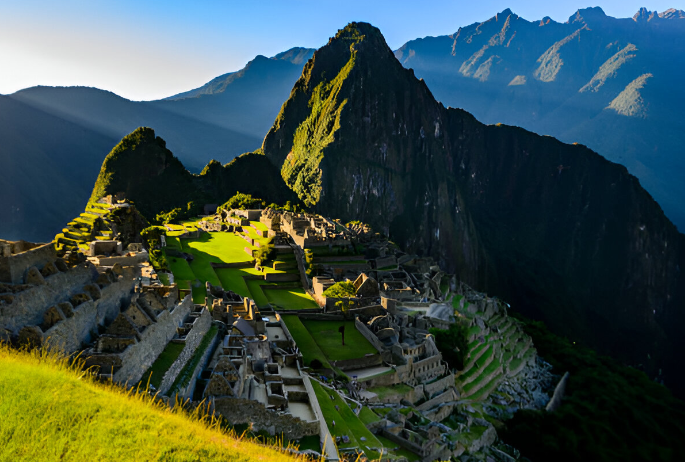
Machu Picchu, the renowned Inca citadel, sits at an elevation of approximately 2,430 meters (7,970 feet) above sea level. While this altitude offers stunning panoramic views and a unique perspective on the ancient ruins, it can also impact some visitors. Understanding how to manage the altitude is key to ensuring a comfortable and enjoyable visit.
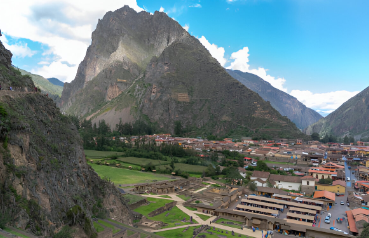
At this elevation, travelers may experience symptoms of altitude sickness, including headaches, dizziness, and shortness of breath. To minimize these effects, it’s important to acclimate before your visit. Spending a few days in Cusco or the Sacred Valley, which are at even higher elevations, allows your body to adjust gradually to lower oxygen levels.
Hydration is crucial when adjusting to high altitudes. Drink plenty of water and avoid heavy meals and alcohol, which can exacerbate altitude-related symptoms. Traditional remedies like coca tea, available in many local establishments, can also aid in alleviating altitude discomfort.
When planning your visit to Machu Picchu, consider arriving early in the day to take advantage of clearer skies and fewer crowds. This will not only enhance your experience but also allow you to explore the citadel’s breathtaking landscapes more comfortably.
For comprehensive information on managing altitude and making the most of your trip to Machu Picchu, visit Peruways. This resource provides practical tips and detailed guides to help you prepare for your visit, ensuring a smooth and memorable experience at this extraordinary destination.