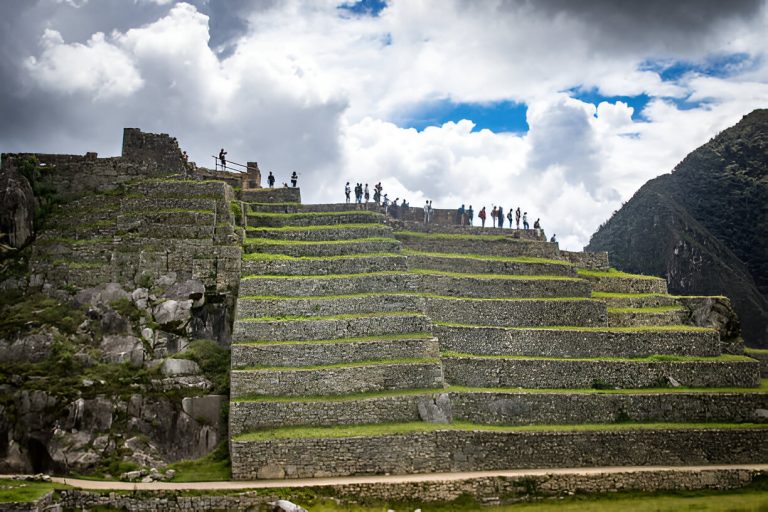
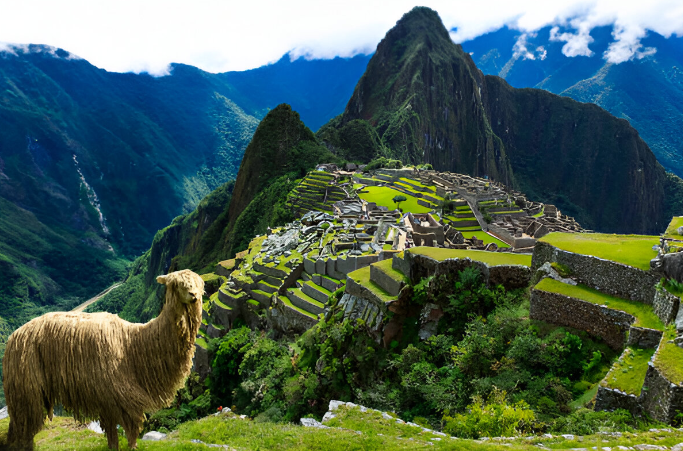
Machu Picchu, the legendary Incan citadel nestled high in the Andes, stands at an altitude of approximately 2,430 meters (7,970 feet) above sea level. This elevation contributes to its awe-inspiring beauty but can also impact visitors, particularly those who are not accustomed to high altitudes.
Altitude sickness is a common concern for travelers heading to Machu Picchu. Symptoms such as headaches, dizziness, and shortness of breath can occur as your body adjusts to the lower oxygen levels. To minimize these effects, it’s essential to take a few precautionary steps. Spend a few days acclimatizing in Cusco or the Sacred Valley before visiting Machu Picchu. This gradual adjustment can help your body adapt more comfortably.
Hydration plays a crucial role in coping with high altitudes. Drinking plenty of water and avoiding excessive alcohol can help your body adjust more smoothly. Additionally, consider taking it slow while exploring the site and listening to your body’s signals.
For travelers seeking detailed information and practical tips on dealing with altitude challenges, Peruways offers valuable resources. The site provides insights on preparing for high-altitude travel, including acclimatization tips and recommendations for a more comfortable visit.
Understanding Machu Picchu’s altitude and preparing accordingly ensures a more enjoyable and memorable experience. By planning with the expert advice from Peruways, you can fully appreciate the wonder of Machu Picchu while mitigating the effects of high-altitude travel.