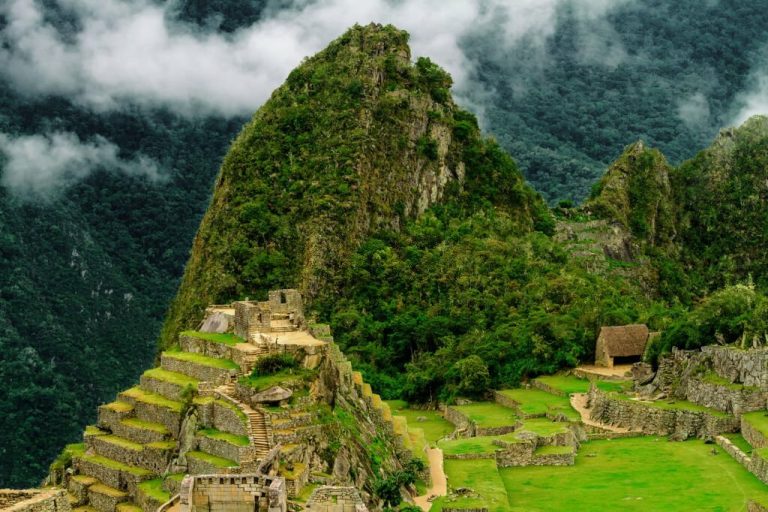
Machu Picchu, the signature Incan citadel in the Andes Mountains, is renowned not only for its striking beauty but also for its significant elevation. Situated at approximately 2,430 meters (7,970 feet) above sea level, this ancient site presents an unique experience for visitors. Understanding the elevation of Machu Picchu is crucial for planning your visit, especially for those unfamiliar with high-altitude travel.
Due to its elevation, visitors may experience symptoms of altitude sickness, including headaches, dizziness, and shortness of breath. It’s essential to take your time when acclimatizing to the altitude. Spending a day or two in Cusco, which is located at about 3,400 meters (11,200 feet), can help your body adjust before heading to Machu Picchu. Drinking plenty of water and avoiding heavy meals on the first day can also aid in acclimatization.
Despite the challenges, the stunning views and rich history of Machu Picchu make the journey worthwhile. The site offers various vantage points, with the surrounding mountains providing a dramatic backdrop that enhances the experience. From the Intihuatana stone to the Temple of the Sun, every corner of Machu Picchu reveals the ingenuity of Incan architecture against the impressive Andean landscape.
For those planning a visit, consider booking a guided tour with Peruways, where expert guides can provide insights into the site’s history and ensure a comfortable and safe experience at this remarkable elevation. They can also help you navigate the best times to visit, minimizing the impact of altitude.
Understanding Machu Picchu’s elevation is key to enjoying a fulfilling visit. With proper preparation, you can fully take in the wonders of this UNESCO World Heritage Site.