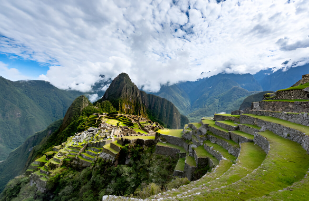
Machu Picchu, the iconic Inca citadel, stands at an impressive elevation of 7,970 feet (2,430 meters) above sea level. Nestled in the Andes Mountains of Peru, this ancient site attracts millions of visitors each year, eager to explore its breathtaking ruins and stunning landscapes. Understanding the elevation of Machu Picchu is crucial for planning your visit and ensuring a comfortable experience.
The high altitude can pose challenges for some travelers, particularly those who are not acclimatized. Symptoms of altitude sickness may include headaches, dizziness, and shortness of breath. To mitigate these effects, it is advisable to spend a few days in Cusco or the Sacred Valley before your trip to Machu Picchu. These locations are at lower elevations (Cusco at about 11,152 feet or 3,399 meters) and provide an excellent opportunity for acclimatization.
The journey to Machu Picchu usually involves a scenic train ride from Ollantaytambo, which takes about 1.5 to 2 hours. Upon arrival at the site, visitors can explore the impressive terraces, temples, and the famed Intihuatana stone, all while enjoying panoramic views of the surrounding mountains.
To make the most of your visit, consider joining a guided tour that includes transportation and entrance tickets. This way, you can learn about the rich history and culture of the Inca civilization while navigating the site’s elevation changes with ease. For a seamless travel experience, check out Peruways, which offers comprehensive packages that include train tickets and guided tours tailored to your needs.
Understanding Machu Picchu’s elevation not only enhances your visit but also prepares you for a truly unforgettable experience in one of the world’s most remarkable archaeological sites.