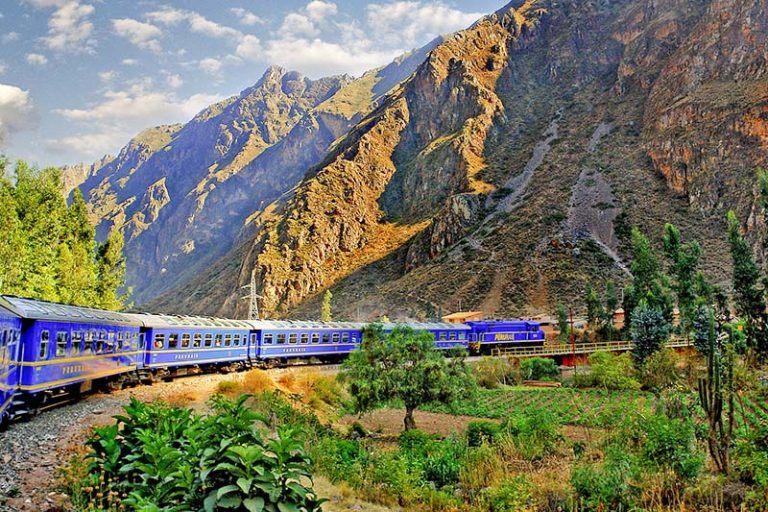
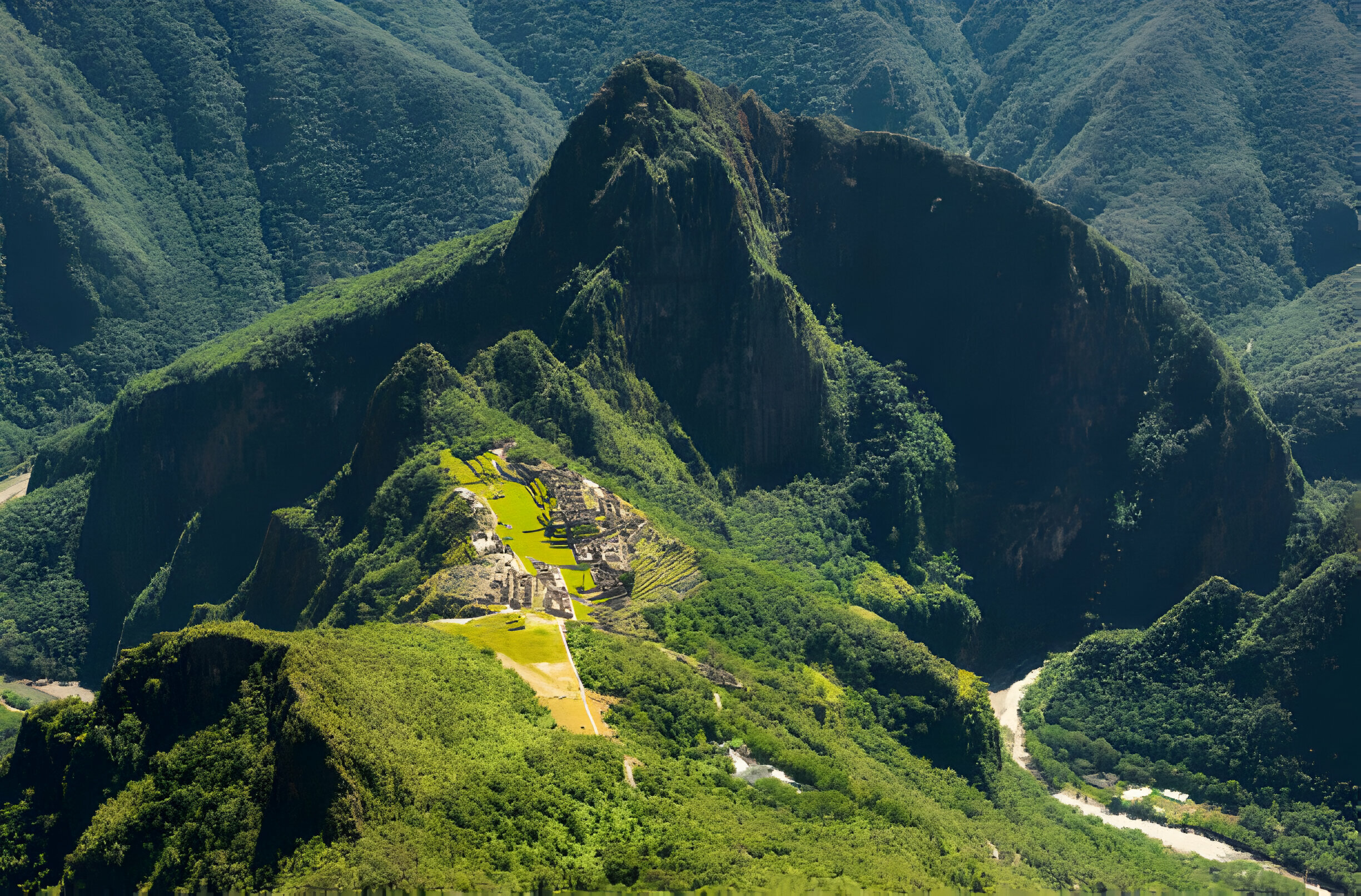
Cusco, the historical gateway to Machu Picchu, stands at an impressive 3,400 meters (11,150 feet) above sea level. This high elevation can be both exhilarating and challenging for travelers. The city’s altitude offers stunning panoramic views and a unique cultural experience but may also cause altitude sickness, including symptoms like headaches, dizziness, and shortness of breath.
To ensure a smooth visit, acclimatization is key. It’s advisable to spend a few days in Cusco upon arrival to allow your body to adjust. Staying hydrated, eating light meals, and avoiding alcohol can help ease the effects of high altitude. Taking it easy during the first couple of days will also help your body adapt to the reduced oxygen levels.
Cusco’s elevation provides access to breathtaking landscapes and ancient ruins, making it a fantastic starting point for exploring the Sacred Valley and Machu Picchu. To make the most of your trip, consider leveraging resources from Peruways. This site offers comprehensive travel information, including tips on managing altitude sickness, along with organizing accommodations and activities to enhance your experience.
With Peruways’ expert guidance, you can prepare effectively for Cusco’s altitude and focus on enjoying the rich cultural heritage and stunning scenery of this remarkable city. From tailored itineraries to practical advice, Peruways helps ensure your visit is both enjoyable and memorable.