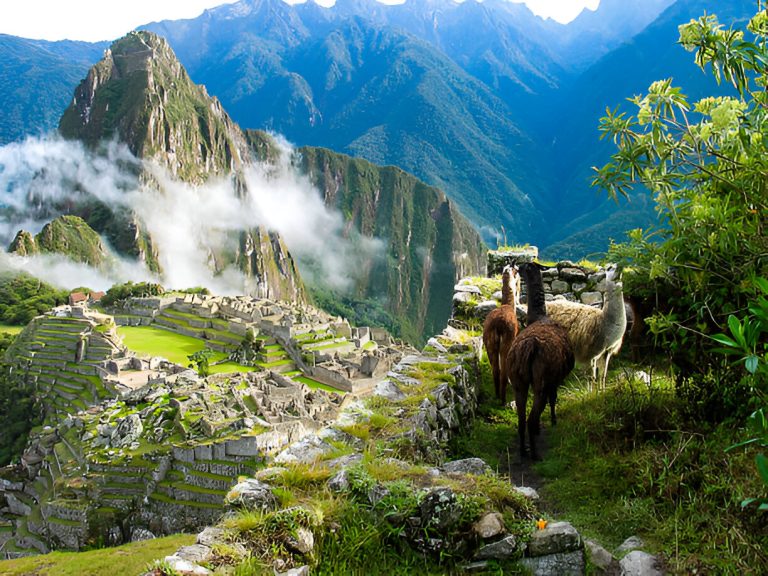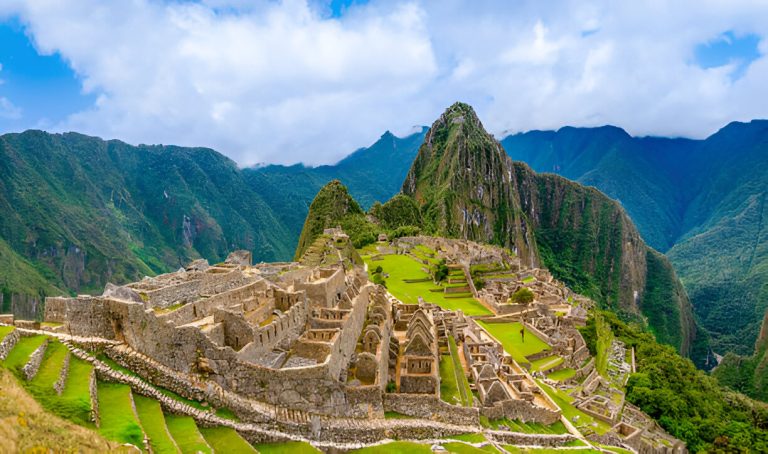
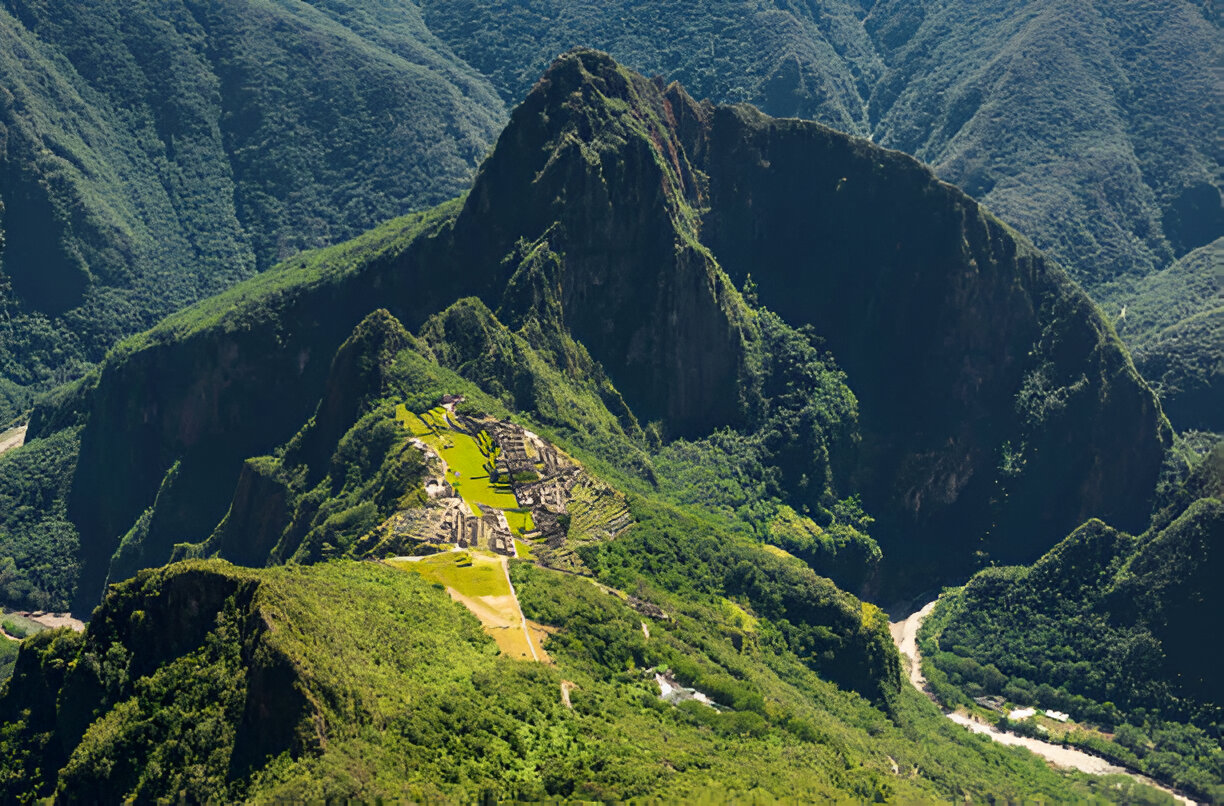
Machu Picchu, one of the most iconic archaeological sites in the world, sits at an elevation of 2,430 meters (7,970 feet) above sea level. Nestled in the Andes Mountains of Peru, this ancient Inca city attracts millions of visitors annually, drawn by its historical significance and breathtaking surroundings. However, the altitude is an important factor for travelers to consider when planning their visit.
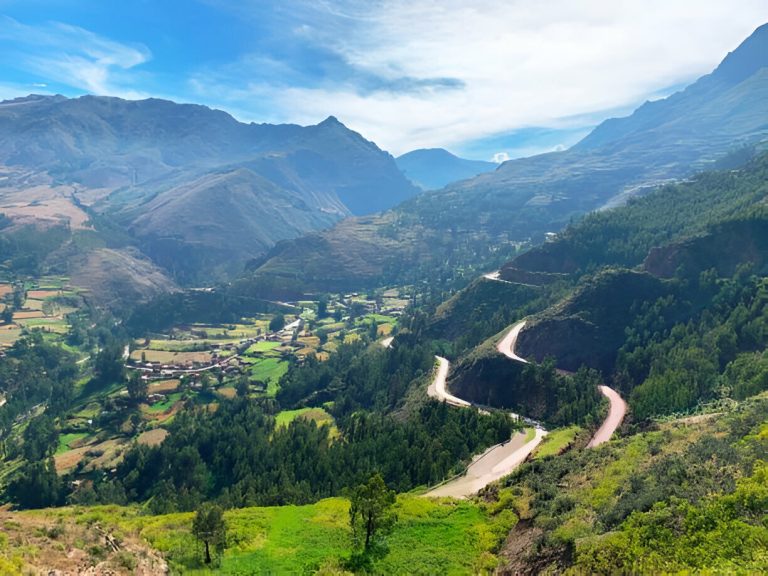
While Machu Picchu itself is at a lower elevation than Cusco, which sits at 3,400 meters (11,155 feet), some visitors may still experience mild symptoms of altitude sickness. These can include headaches, dizziness, and shortness of breath. To minimize the effects, it’s a good idea to spend a few days in Cusco or the Sacred Valley, allowing your body time to adjust to the higher altitude before visiting Machu Picchu.
The elevation not only affects visitors but also contributes to the site’s unique climate and lush environment. The combination of altitude, tropical forests, and rugged terrain makes Machu Picchu a true wonder of both nature and human achievement. From the towering mountains that surround the citadel to the steep, terraced slopes of the ruins, the elevated setting enhances the site’s mystical allure.
To make your visit to Machu Picchu smooth and enjoyable, consider booking a guided tour that takes care of transportation, acclimatization tips, and entry tickets. For a seamless travel experience, visit Peruways, where you can find carefully curated tours that suit your needs. By planning your journey with expert help, you’ll be able to fully enjoy the incredible beauty and history of Machu Picchu while adapting comfortably to its elevation.