The Inca had no alphabet — but they did have the quipu, a knotted-string record system that encoded numbers, inventories, census data and, almost certainly, narrative information. For a 15th-century empire of 10 million people with no horses, no wheels and no paper, that counts as a writing system in all but name.
A quipu is a primary cord with pendant cords hanging off it, each bearing knots in positional base-10 — ones, tens, hundreds, thousands. Colour, cord position, knot type, ply direction and spacing all carried meaning. Spanish chroniclers describe quipucamayocs (quipu-keepers) who could read tribute records, troop numbers, royal lineages and historical events off a string the way we’d read a spreadsheet.
The debate is whether some quipus also carried phonetic language — narrative, poetry, speeches — alongside the numerical layer. Harvard’s Gary Urton and others have been working on this for two decades; the evidence from Puruchuco and Incahuasi points toward yes, though no quipu has yet been fully “read” as text.
Alongside the quipus, Inca iconography used tocapu — geometric motifs woven into textiles and painted on wooden drinking cups (keros). Whether tocapu was a writing system or a visual vocabulary of symbols is still open.
Book through PeruWays:
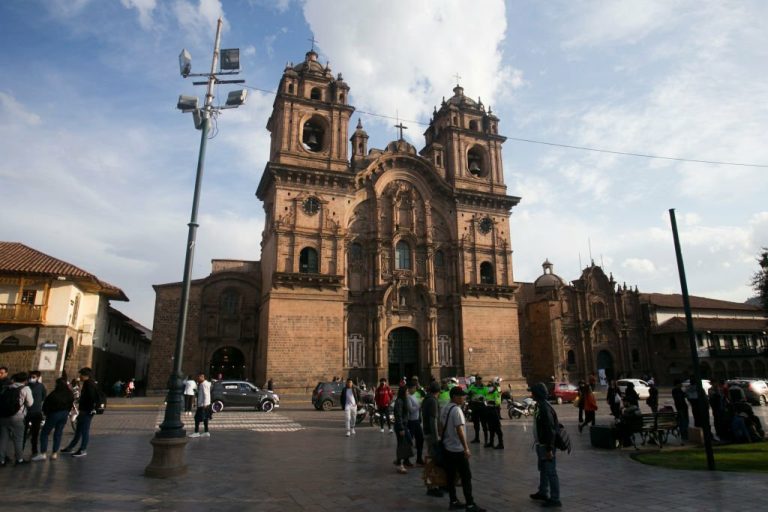
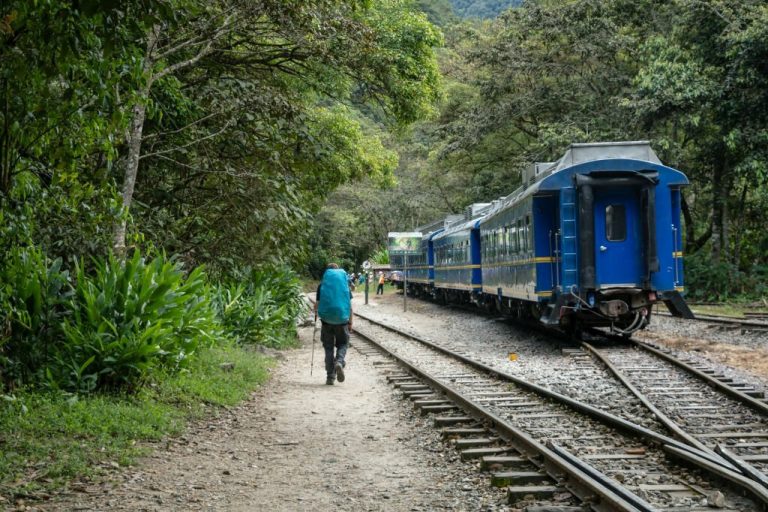
Museums in Cusco (Museo Inka, Casa Concha) hold working quipus and tocapu textiles. PeruWays can route a Cusco visit through them before you head to Machu Picchu, so the carved detail at the citadel sits in a wider context.
Full packages add Pisac, Ollantaytambo and the smaller sites in the Sacred Valley, where the quipu tradition is still visible in local weaving.
The Inca ran one of the largest empires in the pre-Columbian Americas on string and memory. That’s worth stopping to look at.