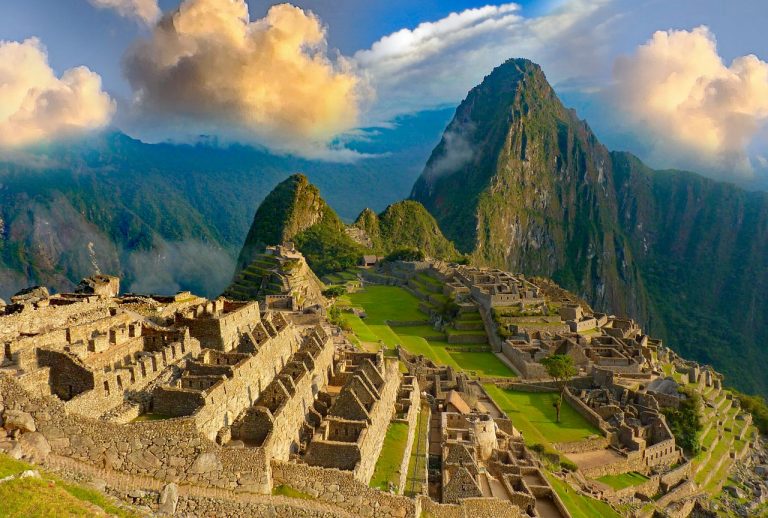

Cusco sits at 3,399 metres and used to be the capital of the Inca empire — Tahuantinsuyu, the “four regions together” — before the Spanish arrived in 1533. It’s the base for most Machu Picchu trips, but it rewards time in its own right.
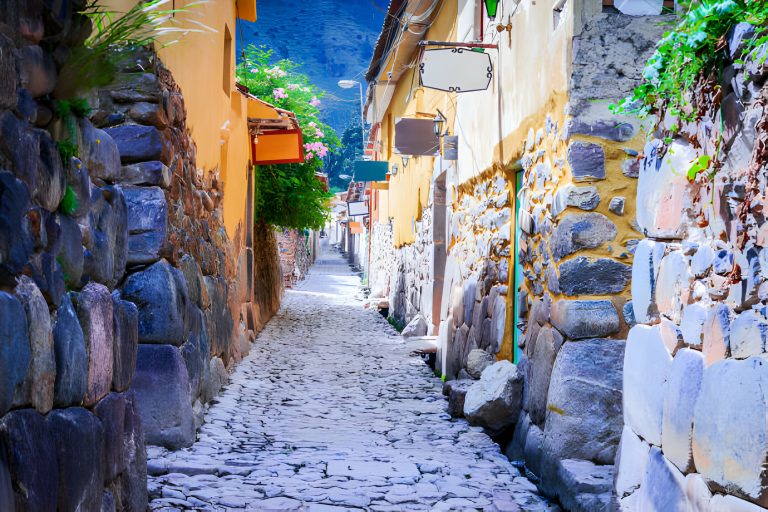
The old centre is a UNESCO World Heritage site in itself. Spanish colonial architecture sits directly on top of Inca stonework; the Qorikancha (Temple of the Sun) carries the Santo Domingo convent on its back, with the Inca masonry still visible at ground level. The Plaza de Armas, the San Pedro market and the San Blas artisan quarter are all within a 15-minute walk.
Beyond the city, the Sacred Valley opens out — Pisac, Ollantaytambo, Chinchero, Moray, Maras. Each is worth a half-day. Several of the smaller sites (Tipón, Pikillacta) see almost no foreign visitors and sit on the same tourist ticket (boleto turístico) as the main ones.
The food is a reason on its own. Cusco has three or four of the best restaurants in Peru — Chicha, Cicciolina, Mil (Virgilio Martinez’s altitude lab out at Moray) — and a thriving street-market scene for anticucho, chicha and the local chiriuchu.
Give the city two or three days of your trip. It isn’t just the gateway to Machu Picchu; it’s where you’ll acclimatise, and it’s a destination of its own.