
Cusco sits at 3,400 metres (11,152 feet). That is higher than Lhasa, more than twice as high as Mexico City, and it is the single thing to plan around on a Peru trip.
Altitude sickness (soroche) usually hits on the second day, not the first. Headaches, poor sleep, mild nausea, shortness of breath on stairs. Spend your first 48 hours walking slowly, drink more water than feels sensible, skip alcohol, eat light. Pharmacies sell sorojchi pills over the counter and they genuinely help. The coca tea in hotel lobbies is a tradition more than a cure, but there is no reason not to drink it.
Once your body adjusts, the elevation stops being a problem and becomes the point. The light is sharper at altitude. The red-tile roofs seen from Sacsayhuamán or Cristo Blanco look nowhere else on earth like they do here. The air is cold even at the equator.
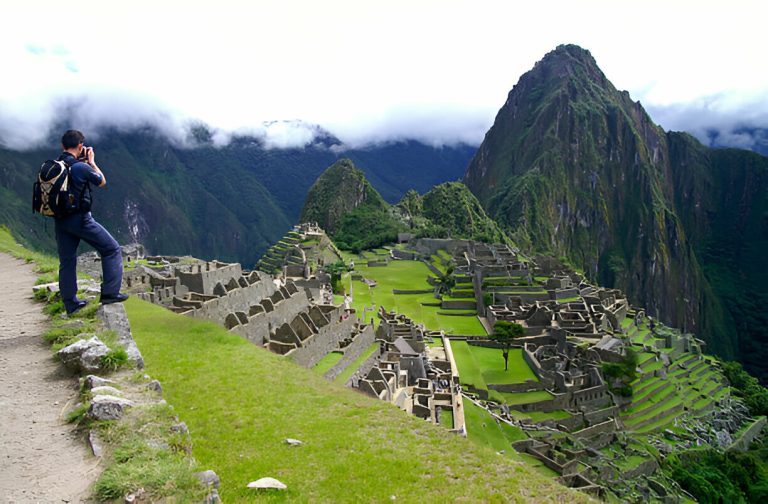
Cusco is also the acclimatisation base for everything else — the Sacred Valley at 2,800 m, Machu Picchu at 2,430 m (lower than Cusco, which surprises most people), Rainbow Mountain at 5,200 m.
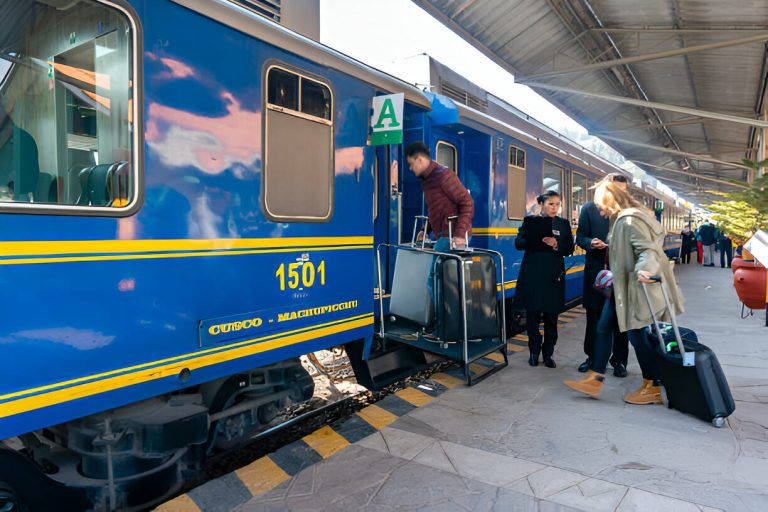
Peruways can bundle Cusco stays, trains and timed-entry Machu Picchu tickets into one booking.