Cusco, the gateway to Machu Picchu, sits at an impressive elevation of 3,400 meters (11,152 feet) above sea level. As one of the highest cities in the world, its altitude can catch many travelers by surprise. The thin air can lead to altitude sickness, with symptoms such as headaches, fatigue, and shortness of breath, especially for those arriving directly from lower elevations.
To combat the effects of high altitude, it’s important to allow your body time to acclimatize. Many travelers spend the first couple of days taking it easy, drinking plenty of water, and trying coca tea, a traditional remedy that can help alleviate symptoms of altitude sickness. Walking around Cusco slowly, especially when exploring its steep streets and famous historical sites like the Plaza de Armas and Sacsayhuamán, can also help your body adjust to the altitude.
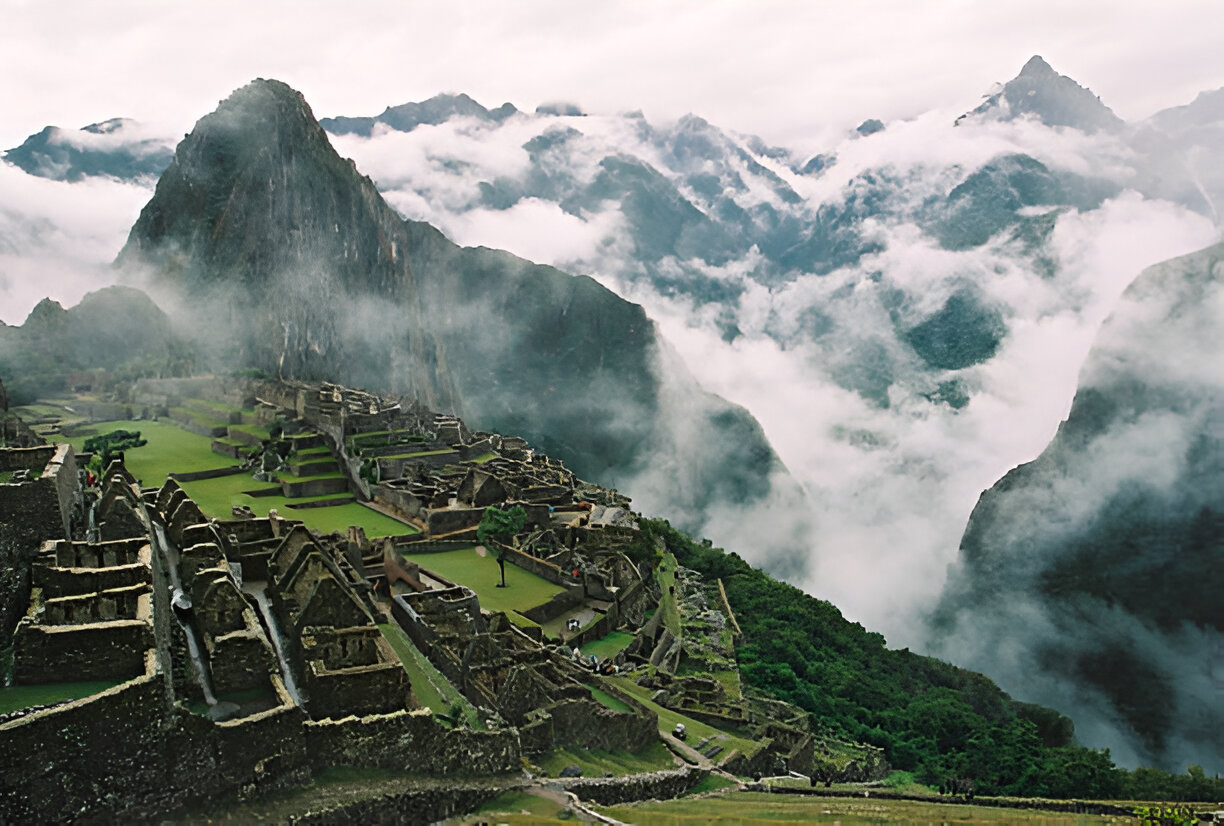
Cusco’s elevation, however, also comes with benefits. The high altitude offers stunning panoramic views of the surrounding Andes mountains, and the clear skies make for brilliant stargazing opportunities at night. Whether you’re soaking in the city’s vibrant culture or preparing for a trek to Machu Picchu, Cusco’s altitude adds to the mystique of this ancient Incan capital.
If you’re planning your trip to Cusco and need travel services like transportation, guided tours, or detailed travel advice, Peruways is a reliable resource. With expert planning assistance, you can focus on enjoying the beauty and history of Cusco without worrying about logistics.
Embrace the altitude and prepare for an unforgettable experience in the heart of the Peruvian Andes. Cusco’s elevation offers a unique adventure for every traveler.