
Cusco was the capital of the Inca empire and is now the main base for travelers heading into the Andes. It sits at 3,400 meters in a valley lined with Inca stonework and Spanish colonial facades — the two building languages overlapping right across the city.
The Plaza de Armas is the center. The cathedral on its north side was built on the foundations of an Inca palace; the lanes leading off it are lined with cafes, textile shops, and small restaurants. On weekend evenings the square fills with locals and travelers.
Outside the center, the surrounding country holds some of the richest archaeology in South America. Sacsayhuaman, the Inca fortress above the city, is a short walk uphill; the Sacred Valley opens out to the north, with Pisac, Chinchero, and Ollantaytambo as the three main stops.
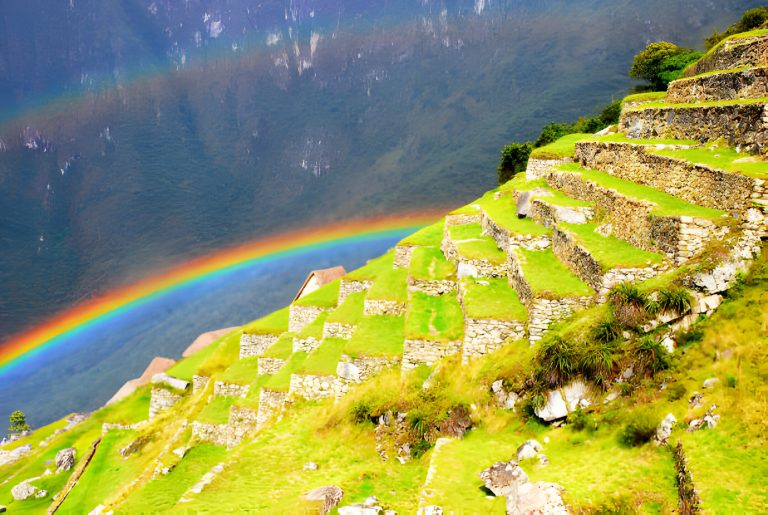
Cusco is also the trailhead for the longer walks: the classic Inca Trail to Machu Picchu, the Salkantay route, and shorter day hikes in the Lares valley. The high peaks around the city stay snow-dusted most of the year, and the trails run through terraced farmland that’s still being worked.
Food is the other reason to spend time here. Cusco restaurants run from street anticucho vendors to high-end Novo-Andean kitchens using local corn, potato, and quinoa varieties. The market at San Pedro is good for ceviche and juices in the morning.
Give Cusco three or four nights at the start of a trip. It will set the altitude for everything after it, and the city itself is worth the time.