
In the Andes Mountains of Peru, the city of Cusco remains a living testament to the culture of Inca history, Spanish colonial influence, and contemporary Andean culture. Steeped in mystique and surrounded by impressive landscapes, Cusco has earned its reputation as both the historic capital of the Inca Empire and a lively modern hub. In this exploration, we unpack the striking essence of Cusco, where ancient history and active culture converge.
1. Inca Heritage:
Cusco was the heart of the Inca Empire, the epicenter of a civilization that rivaled any in its complexity and grandeur. The city served as the political, religious, and cultural nucleus of the empire, and remnants of its Inca heritage can be seen in the closely constructed stone walls and striking architecture that grace the cityscape.
2. Historic Landmarks:
Among the well-known landmarks that show Cusco’s Inca legacy is the Qoricancha, the Temple of the Sun. This sacred site was once adorned with gold and silver, reflecting the Inca’s reverence for Inti, the sun god. the nearby Sacsayhuaman fortress, with its colossal stone walls, provides a look at the architectural prowess of the Inca civilization.
3. Spanish Colonial Influence:
Following the Spanish conquest led by Francisco Pizarro in the 16th century, Cusco underwent a transformation that fused Inca and Spanish colonial influences. The Spanish built churches, cathedrals, and palaces atop existing Inca structures, creating an unique blend of architectural styles that is evident in the city’s historic center.
4. Plaza de Armas:
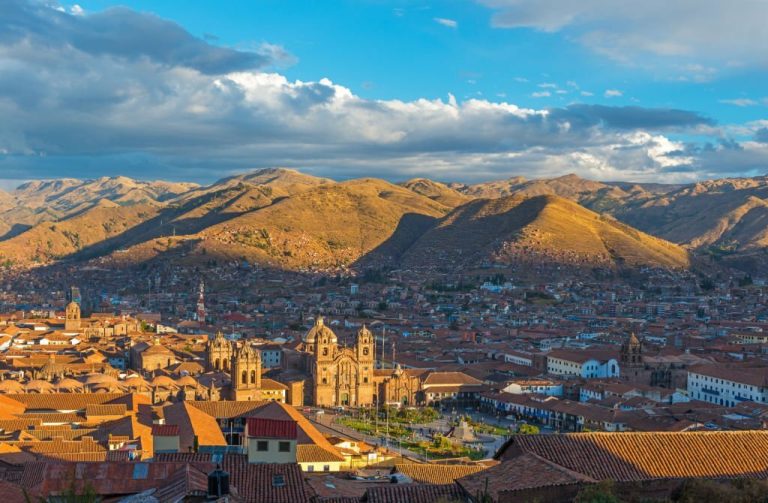
At the centre of Cusco lies the Plaza de Armas, a busy square surrounded by colonial arcades, shops, and restaurants. The plaza is dominated by the striking Cusco Cathedral, an architectural masterpiece that houses an impressive collection of colonial art. The plaza serves as a focal point for both locals and visitors, offering an active atmosphere and a beautiful view of the surrounding mountains.
5. Q’eswachaka: The Last Inca Bridge:
Cusco’s cultural richness extends beyond its city limits. Each year, in a tradition dating back to the Inca era, local communities come together to rebuild the Q’eswachaka Bridge, the last remaining Inca rope bridge. This ancient ceremony, recognized by UNESCO, is a reminder of the enduring cultural practices that have survived the passage of time.
6. Traditional Markets:
Exploring Cusco’s markets, such as the San Pedro Market, provides a sensory journey into Andean culture. Colourful stalls offer a kaleidoscope of local produce, textiles, and artisanal crafts. Visitors can engage with local vendors, sample traditional foods, and witness the lively colors and patterns that define Andean textiles.
7. Festivals and Celebrations:
Cusco’s calendar is punctuated by many festivals and celebrations that fuse indigenous traditions with Catholic influences. Inti Raymi, the Festival of the Sun, stands out as a grand homage to the Inca sun god, attracting visitors from around the world with its colorful processions and rituals.
8. Culinary Delights:
Cusco’s culinary scene is a delectable blend of traditional Andean ingredients and modern culinary innovation. Local markets and eateries offer a wide-ranging array of dishes, from hearty stews like lomo saltado to delicacies like cuy (guinea pig). Exploring Cusco’s culinary landscape is a journey into the flavors of the Andes.
9. Starting point for Machu Picchu:
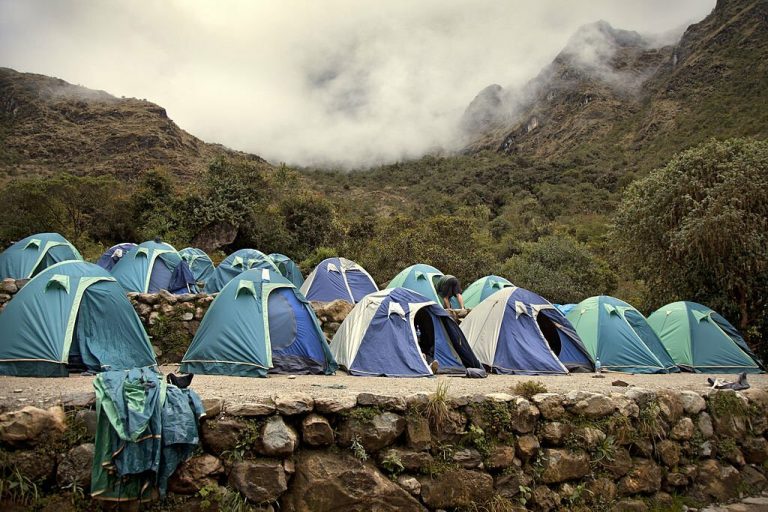
Cusco serves as the entry point to one of the world’s most famous archaeological sites, Machu Picchu. The city is a starting point for the Inca Trail, a trek that leads adventurers through striking landscapes to the impressive ruins of Machu Picchu, perched high in the Andes.
Cusco’s allure lies in its ability to smoothly weave together the threads of ancient history, Spanish colonial influence, and contemporary Andean culture. As an UNESCO World Heritage Site, the city remains a living testament to the resilience of its people and the enduring legacy of a civilization that once ruled the heights of the Andes. Visitors to Cusco set off through time, exploring the layers of history that have shaped this engaging city into the cultural gem it is today.
Book your ticket here.