Cusco, often called the “Imperial City” of the Inca Empire, stands as a mix of indigenous traditions and Spanish colonial influence. Among the city’s architectural standouts are its churches, which mark the meeting of cultures and the lasting role of religion. Here we look at the churches of Cusco, each a chapter in the city’s history and a sign of its spiritual heritage.
1. The Basilica Cathedral of Cusco:
At the center of Cusco sits the Basilica Cathedral, a large structure that dominates the main square, Plaza de Armas. Built on the foundations of the Inca Wiracocha’s palace, this cathedral marks the Spanish colonization of the city. Its Baroque and Renaissance architecture, with careful detail and gold leaf, reflects the richness of the colonial period.
2. Coricancha: Temple of the Sun Turned Monastery:
Once home to the revered Coricancha, the Temple of the Sun, Spanish conquistadors repurposed the site into a Christian monastery, now known as the Santo Domingo Church. The mix of Inca stonework and Spanish colonial architecture is visible here, creating a blend of two distinct cultural periods.
3. La Compañía de Jesús: Baroque Extravagance:
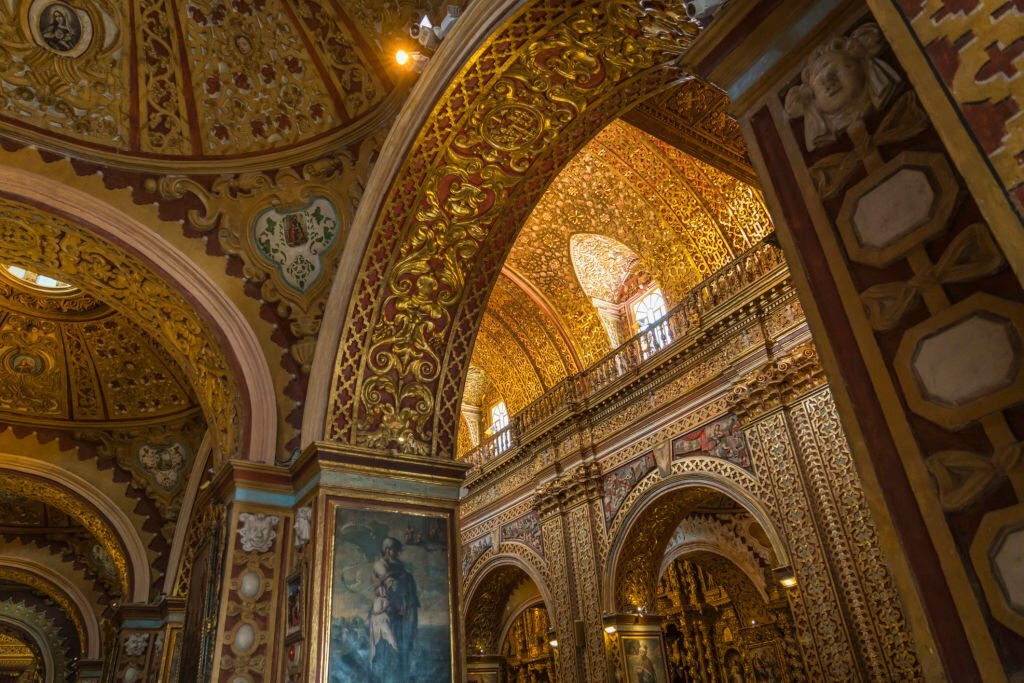
The Church of the Society of Jesus, or La Compañía de Jesús, is a prime example of Baroque architecture in Cusco. Its facade, with intricate carvings and detail, draws visitors in. Inside, the church features an opulent interior with gilded altars, frescoes, and a main altar dedicated to the Society of Jesus.
4. San Blas Church: Artistic Elegance in the Artisan Quarter:
The San Blas Church, in the artisan quarter of the same name, is known for its artistic character and architecture. The carved pulpit, made by indigenous artisans, shows the blend of indigenous and colonial artistic traditions. San Blas Church acts as a cultural focal point in this bohemian neighborhood.
5. Santa Catalina Convent: A Cloistered Haven:
While not strictly a church, the Santa Catalina Convent deserves mention for its historical and architectural importance. The convent, founded in the 17th century, offers a peaceful corner within the busy city. Its religious art and quiet courtyards give a look into the contemplative life of the nuns who once lived there.
6. The Andean Baroque Churches of Cusco:
Cusco is home to several Andean Baroque churches, each showing a mix of indigenous artistic traditions with European Baroque elements. These churches, such as the Church of San Pedro and the Church of San Francisco, show the blending of cultural influences that defined the colonial period in Cusco.
7. Qorikancha’s Santo Domingo Church: A Golden Marvel:
The Santo Domingo Church within the Qorikancha complex points to the revered status of the Temple of the Sun in Inca times. The interior has a striking golden altar that reflects the wealth and artistic output of the colonial period.
8. Festivals and Celebrations:
Cusco’s churches play a central role in the city’s religious festivals. During Corpus Christi, the streets fill with processions that wind their way through the city, and churches are decorated elaborately. These festivities blend indigenous traditions with Catholic rituals in a dynamic expression of faith and cultural identity.
9. Preservation and Cultural Legacy:
Cusco’s churches, with their historical and artistic significance, are both places of worship and cultural landmarks. Ongoing restoration and preservation keep these architectural marvels telling the story of Cusco’s spiritual and cultural evolution to present and future generations.
The churches of Cusco are architectural marvels that mark the city’s complex history and cultural blend. From the grandeur of the Basilica Cathedral to the artistic character of San Blas Church, each one adds to Cusco’s cultural and spiritual legacy. Exploring these sacred spaces is both a trip through architectural history and an encounter with the lasting spirit of a city that has woven together its indigenous past and colonial heritage.
Book your ticket here.