Machu Picchu, the legendary Incan citadel, is perched high in the Andes Mountains at an altitude of approximately 7,970 feet (2,430 meters) above sea level. While this breathtaking height offers stunning views and a unique atmosphere, it can also present challenges for some travelers due to the effects of altitude sickness.
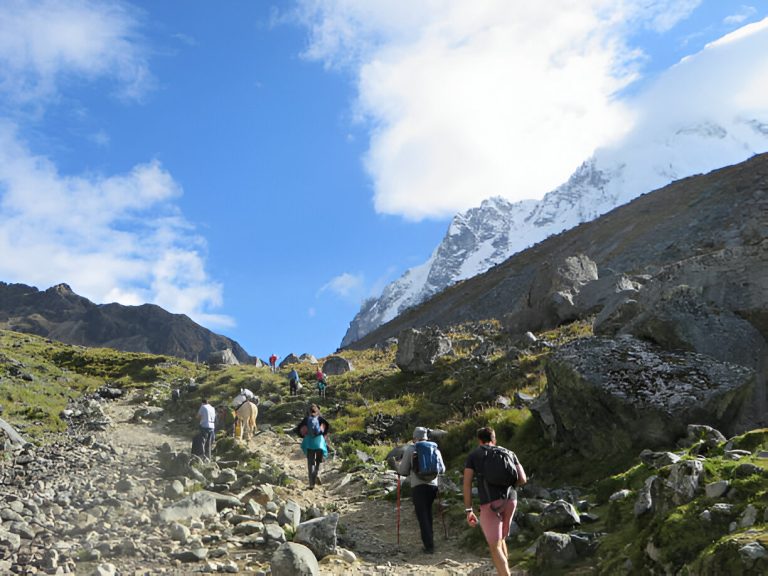
When planning your visit to Machu Picchu, it’s essential to consider the altitude and how it might affect your body. Travelers often start their journey in Cusco, which sits at an even higher elevation of about 11,152 feet (3,400 meters). The significant difference in elevation can lead to symptoms like headaches, fatigue, and nausea, commonly known as altitude sickness.
To minimize the risk of altitude sickness, acclimatization is key. Spending a few days in Cusco before heading to Machu Picchu allows your body to adjust to the thinner air. Staying hydrated, avoiding excessive physical exertion, and consuming light meals can also help ease the transition.
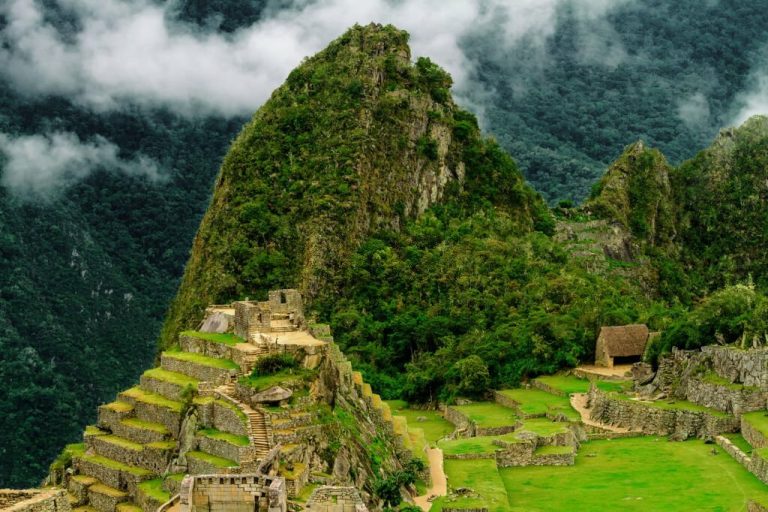
Once you arrive at Machu Picchu, the stunning scenery and rich history will make the journey worthwhile. The site features impressive terraces, temples, and agricultural ruins that showcase the ingenuity of the Incas. The lush green landscapes and towering peaks surrounding the site offer a captivating backdrop for exploration and photography.
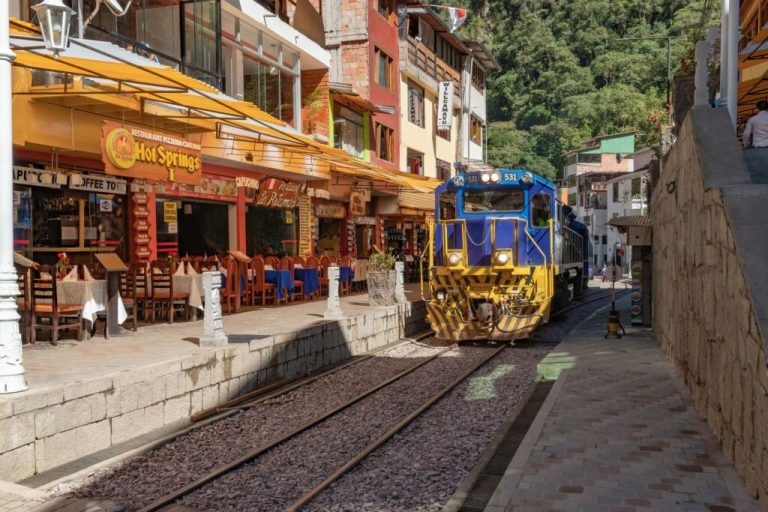
For those eager to visit this iconic destination, proper planning is essential. Booking tickets in advance, whether for the train from Cusco or guided tours, ensures a smooth experience. For more tips on navigating altitude, securing tickets, and making the most of your trip to Machu Picchu, visit Peruways. Discover the wonders of this ancient citadel while enjoying the breathtaking heights of the Andes!