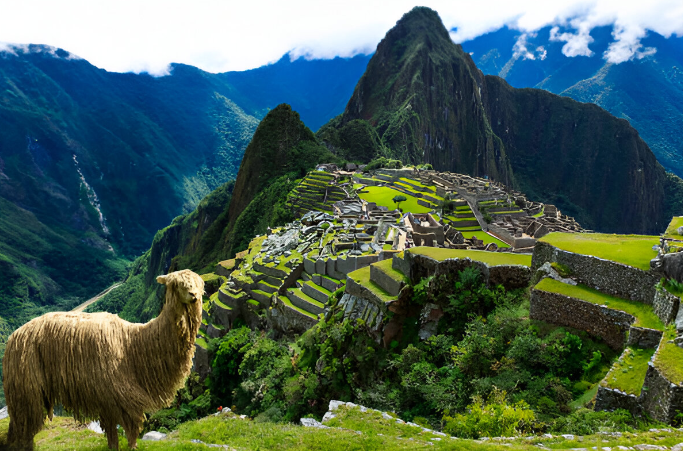
Machu Picchu sits at 2,430 m — which is high enough to notice if you’ve flown in from sea level, but not high enough to be the main altitude concern on a Peru trip. The real altitude worry is Cusco, at 3,400 m, where most travellers start their trip and where soroche (acute mountain sickness) tends to hit hardest.
The sensible pattern is: fly into Cusco, spend two or three nights letting your body adjust, then drop down to the Sacred Valley (around 2,800 m) and finally to Machu Picchu. By the time you reach the citadel, you’ve already acclimatised to higher air. Drink more water than feels normal, go easy on alcohol the first 48 hours, and chew coca leaves or sip mate de coca if you’re sensitive to it.
The climb up Huayna Picchu (to 2,693 m) or Machu Picchu Mountain (to 3,082 m) adds another altitude kick on top of the citadel visit — both are worth doing if you’ve had time to acclimatise first.
To put the citadel into context — alignment of the Temple of the Sun, the drainage of the terraces, Pachacuti’s role — book a licensed guide through Peruways alongside the train, bus and entrance ticket.