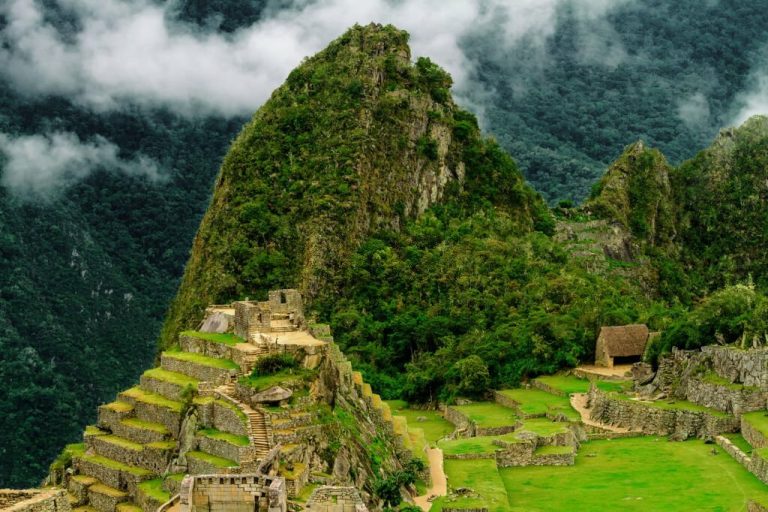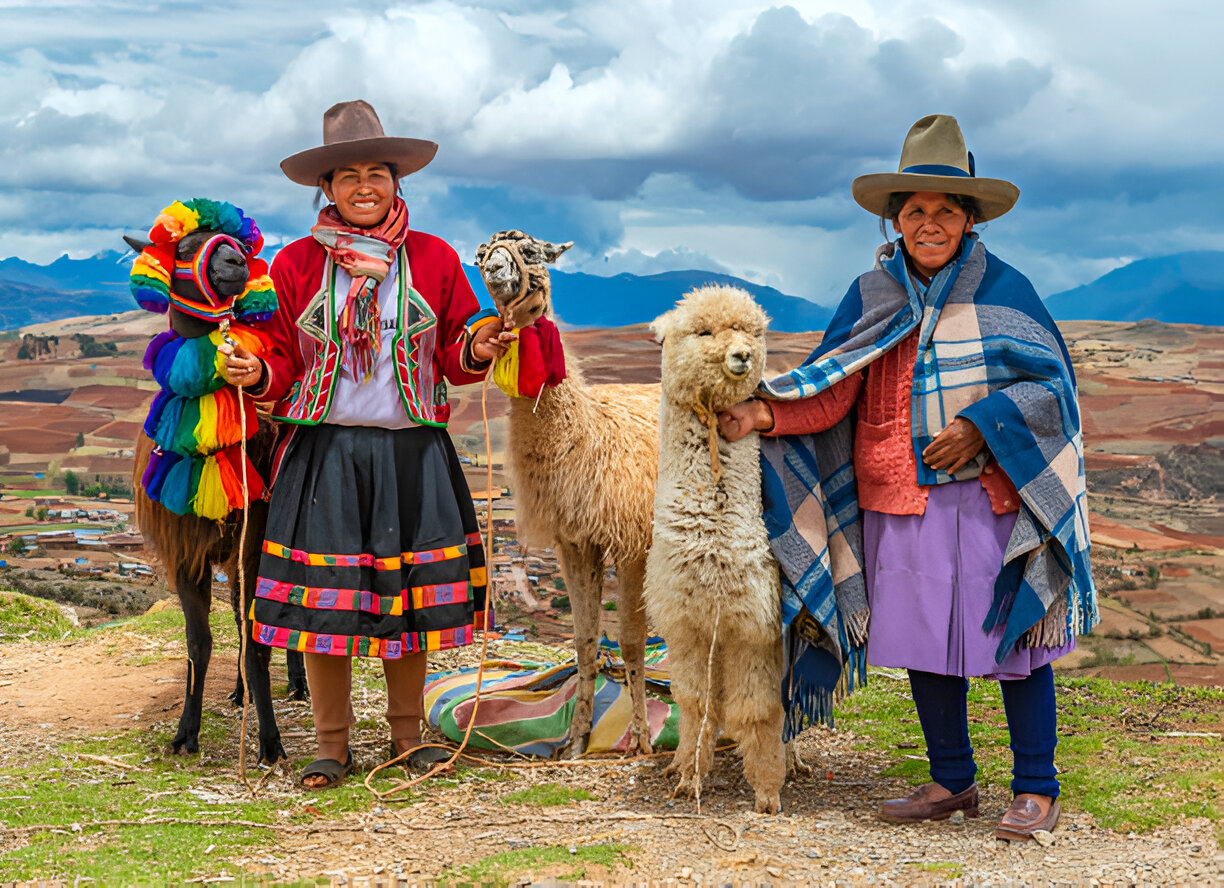
The Sacred Valley stretches along the Urubamba between Pisac and Ollantaytambo at around 2,800 metres — about 600 m below Cusco. It was the breadbasket of the Inca empire and a line of royal estates, and remains the most agriculturally productive stretch of highland Peru.
Ollantaytambo is the most impressive single stop. A royal estate under Pachacuti with terraces climbing a hillside, defensive works that held off Manco Inca’s revolt in 1537, and the only unchanged Inca-era town grid in the Sacred Valley — the lower streets are 500 years old and still carry spring water in stone channels.
Pisac is the other half-day essential. Sunday market in the town below (textiles, pottery, produce), Inca citadel on the hillside above with terraces that staircase down into the valley. The ruins see fewer visitors than Ollantaytambo.
For walkers, the Huchuy Qosqo trek (12 km, 2 days) crosses the ridge between the Sacred Valley and the Cusco altiplano, ending at a quiet Inca site at 3,650 m with no road access. Mountain biking from the Maras altiplano down into the valley is another good day.
For a tighter day with transport, licensed guide and the Boleto Turístico, book through Peruways. They cover the main valley loop and can add Chinchero, Moray and the Maras salt pans if you have longer.
Give the Sacred Valley two or three days before Machu Picchu. The elevation is kinder than Cusco, and the valley is a destination in its own right.