
Machu Picchu sits in a saddle between two peaks at 2,430 metres in the eastern Peruvian Andes, built in the 1450s under the emperor Pachacuti and abandoned around a century later. Hiram Bingham’s 1911 report brought it to international attention — it was never actually lost to local farmers.
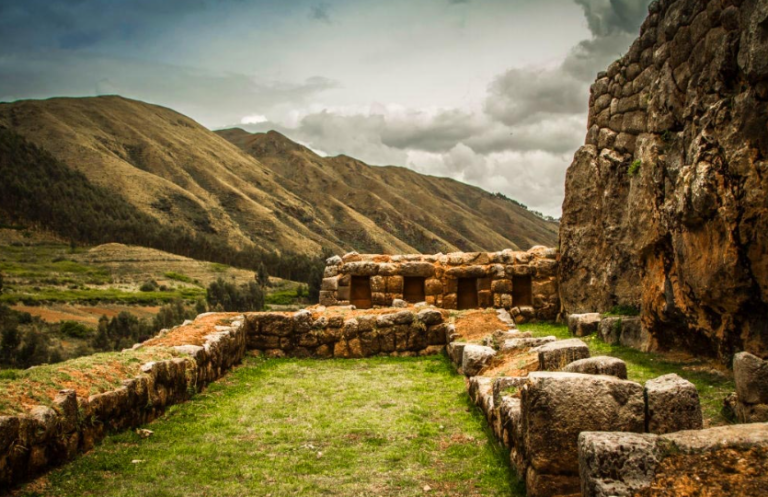
The architecture is why the site is a UNESCO landmark. Dry-set polygonal masonry (ashlar technique), walls deliberately leaning inward for earthquake resistance, blocks interlocking in all three dimensions. The citadel has survived five centuries of Andean seismic activity because of the way it was built, not despite its exposure.
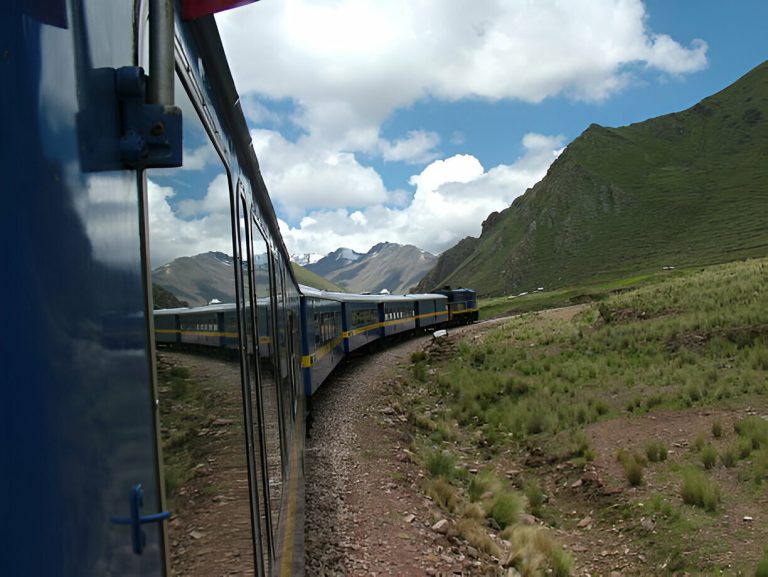
The ride in — whether on the four-day Inca Trail or the four-hour train from Cusco — is half the experience. Both routes end at Aguas Calientes in the gorge below, followed by a 25-minute Consettur bus up to the gate.
Key stops once inside: the Temple of the Sun with the solstice-aligned window, the Room of the Three Windows, the Intihuatana ritual stone, the agricultural terraces that fed the complex. Current entry uses three ticketed circuits with timed slots.
Machu Picchu is a working archaeological site, not just a photo stop. Peruways runs guided visits with licensed Peruvian historians.