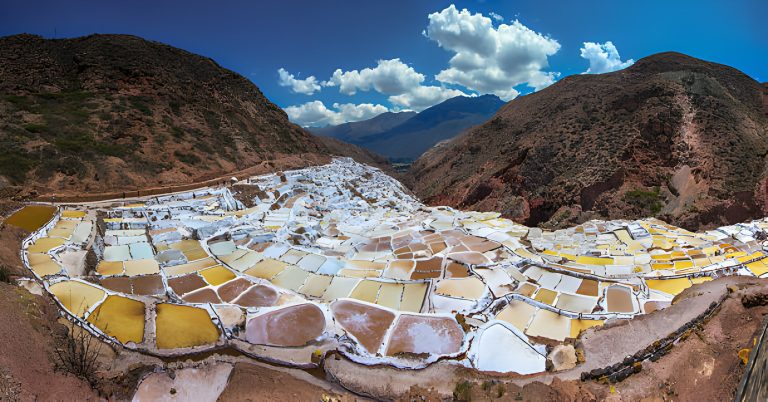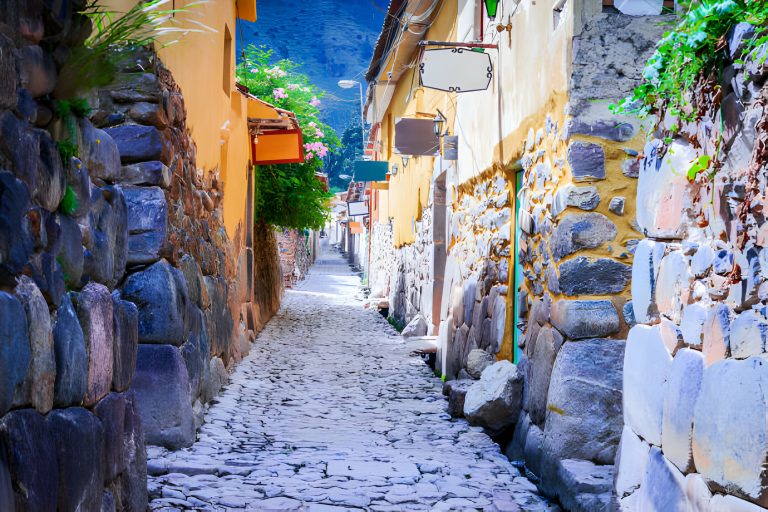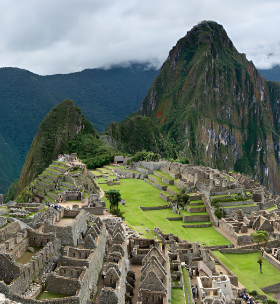
Cusco, the gateway to Machu Picchu and the heart of the Inca Empire, sits at an impressive elevation of 11,152 feet (3,399 meters) above sea level. This breathtaking altitude offers stunning panoramic views of the Andes, but it also comes with unique challenges that travelers should be prepared for.
When arriving in Cusco, many visitors experience the effects of altitude sickness, also known as “soroche.” The sudden decrease in oxygen levels at this elevation can cause symptoms like headaches, nausea, dizziness, and shortness of breath. It’s important to give your body time to adjust by taking it easy for the first couple of days, staying hydrated, and avoiding heavy meals. Traditional coca tea, a popular remedy, can help alleviate some of these symptoms.
Despite these initial challenges, the high altitude of Cusco rewards travelers with incredible sights and cultural experiences. The clear mountain air and scenic views make exploring the city’s historic landmarks, such as the Plaza de Armas, Sacsayhuamán, and the many colonial churches, a truly awe-inspiring experience. The altitude also contributes to Cusco’s crisp, cool climate, which contrasts with the more tropical areas of Peru.
If you’re planning to travel from Cusco to Machu Picchu or other surrounding areas like the Sacred Valley, understanding how to manage the altitude is key to enjoying your trip. To make your journey smoother, Peruways offers excellent travel services and advice on managing high-altitude travel, ensuring you can explore Cusco and its surroundings without unnecessary discomfort.
In conclusion, while Cusco’s elevation presents challenges, it also offers an unforgettable experience. With the right preparation, the altitude becomes part of the adventure, enhancing your appreciation of this remarkable city.