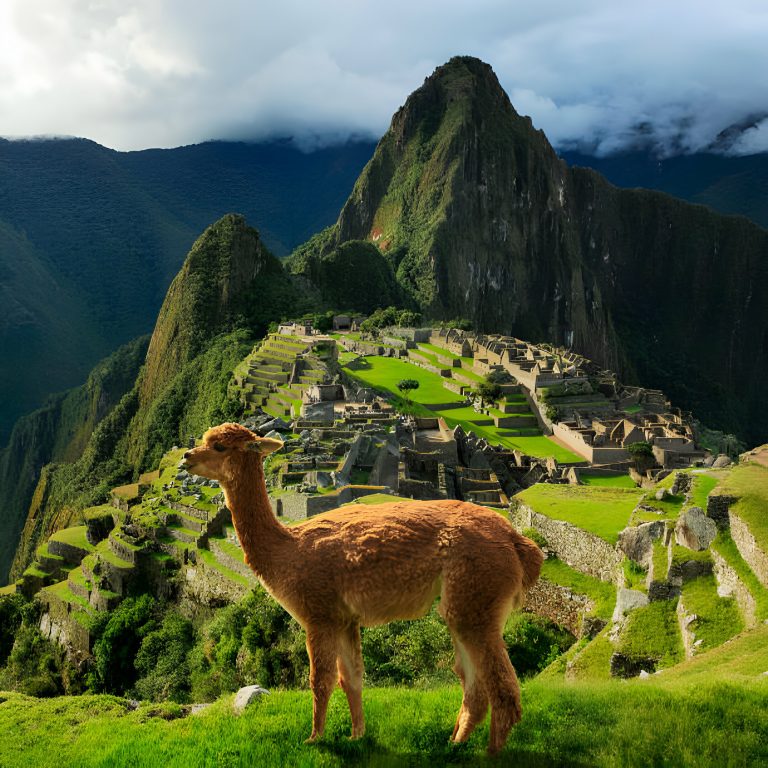

Machu Picchu, the majestic Incan citadel nestled amidst the Andean peaks, offers not only historical marvels but also a unique altitude encounter. As you gear up to embark on this ancient odyssey, grasping the nuances of altitude becomes paramount for a smooth and fulfilling journey.
Altitude Insights: Perched at an elevation of approximately 2,430 meters (7,970 feet) above sea level, Machu Picchu’s lofty setting beckons with its rugged beauty while presenting potential challenges associated with higher altitudes. The thin air at this elevation can impact visitors, making acclimatization a crucial aspect to ease any discomfort.
Precautions Against Altitude Sickness: Altitude sickness, also known as soroche, may manifest with symptoms like headaches, nausea, and dizziness. To ensure a pleasant visit, consider dedicating a day or two to acclimate in Cusco before venturing to Machu Picchu. Staying well-hydrated, opting for light meals, and taking it easy during your initial days at higher elevations are prudent measures to mitigate altitude-related issues.
Exploring at Your Own Tempo: While Machu Picchu itself rests at a moderate altitude, it’s vital to be mindful of the ascent required to access the site. For instance, the nearby Huayna Picchu mountain reaches heights exceeding 2,720 meters (8,920 feet). Whether ascending Huayna Picchu or traversing Machu Picchu’s terraced terrain, listen to your body’s cues and take breaks as needed, exploring at a pace that aligns with your comfort level.
Adjusting to Altitude: Grant yourself the grace of adapting to the altitude’s effects, especially if arriving from lower elevations. Engaging in light activities upon arrival, such as leisurely strolls amidst Machu Picchu’s breathtaking vistas, can aid in acclimatization.
For an expedition that seamlessly merges Machu Picchu’s historical splendor with a harmonious altitude experience, thorough preparation is key.