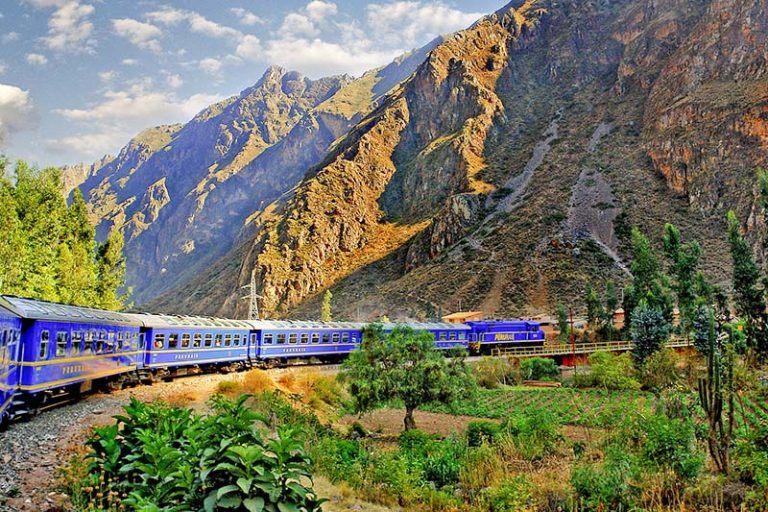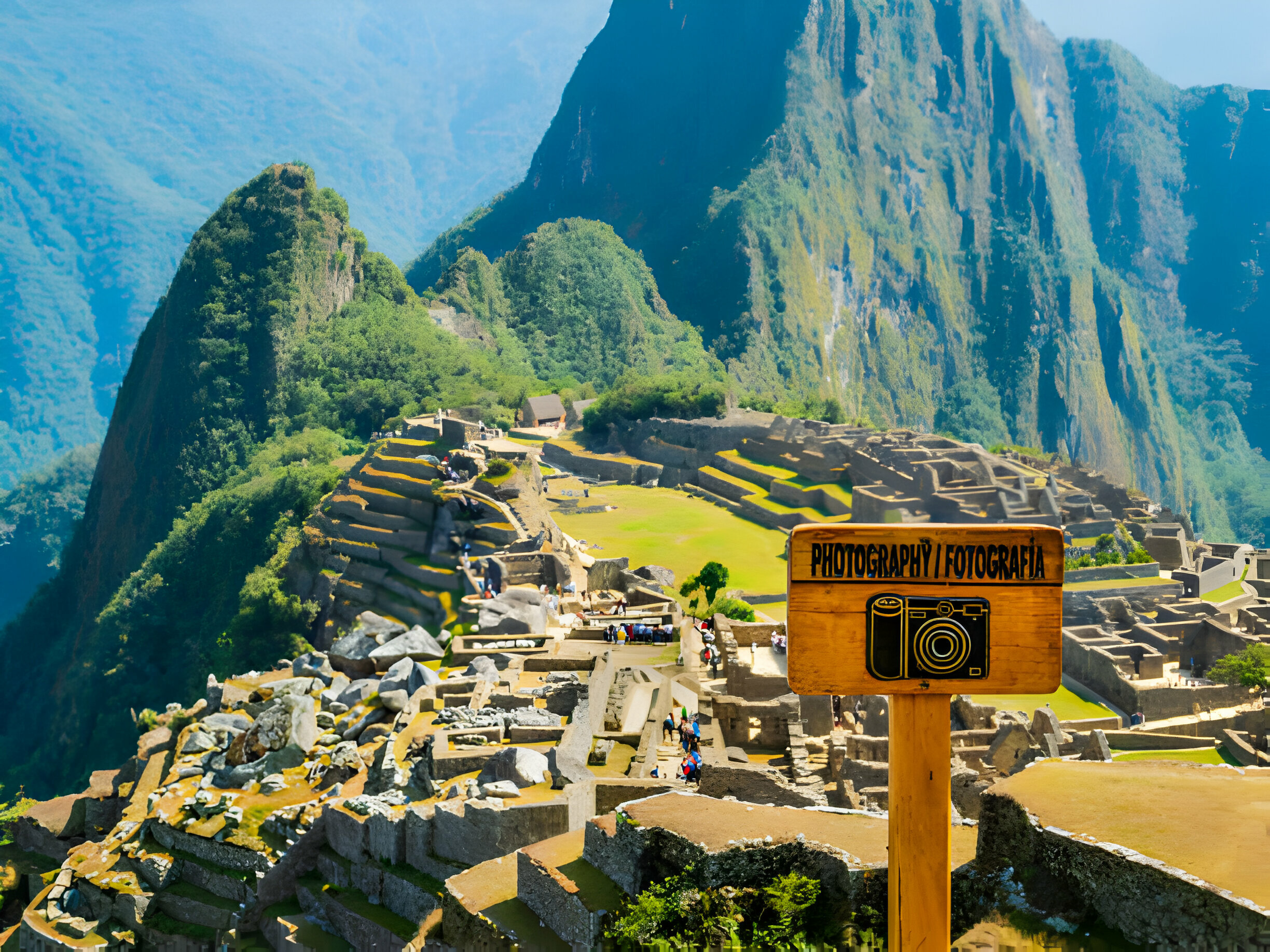
The Sacred Valley runs from Pisac down to Ollantaytambo, following the Urubamba river between Cusco and Machu Picchu. It’s lower than Cusco (altitude 2,800–3,000m vs. 3,400m), which makes it the preferred acclimatisation stop before Machu Picchu.
Pisac is the valley’s first stop — an Inca fortress on the ridge above a Sunday market. The ruins include terraces, a cemetery dug into the cliff, and some of the finer Inca stonework in the region. The market below runs Sundays, Tuesdays, and Thursdays.
Ollantaytambo is the valley’s second anchor, still laid out on the original Inca grid. The upper fortress has the massive stones of the Sun Temple — never finished — and the town is where most Machu Picchu trains depart from.
Maras and Moray are off the main valley road: Maras with the salt pans fed by a mineralised spring since pre-Inca times, Moray with the circular agricultural terraces that functioned as an Inca climate laboratory. Chinchero adds weaving cooperatives using natural dyes.
Plan the full Sacred Valley loop at Peruways, which handles transport, guides, and entry tickets.