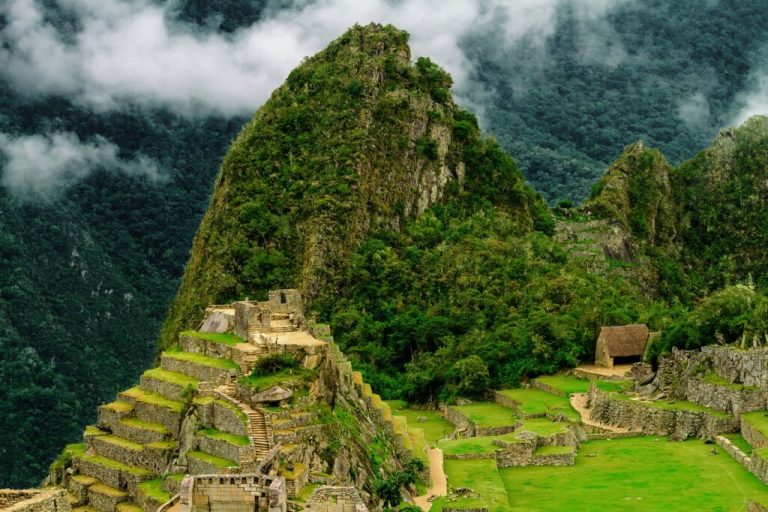

Machu Picchu is a UNESCO World Heritage site at 2,430 metres in Peru’s Andes, in a saddle between Huayna Picchu and Machu Picchu Mountain. It was built in the 15th century as a royal estate for Pachacuti.
“Old Peak” in Quechua — Machu Picchu — was abandoned around the Spanish invasion in the 1530s and reintroduced to the outside world by Hiram Bingham in 1911. The stonework is mortarless, cut to fit so precisely that a knife blade doesn’t slip between joints. Water channels still carry flow.
The three stop-and-look landmarks are the Temple of the Sun (over a natural cave used as the royal mausoleum), the Intihuatana sun-dial (aligned to the solstices), and the Sacred Plaza with its Three Windows and Principal Temple.
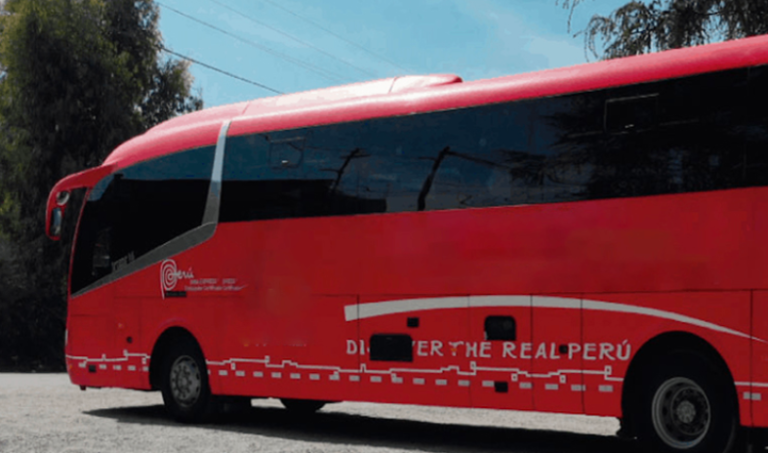
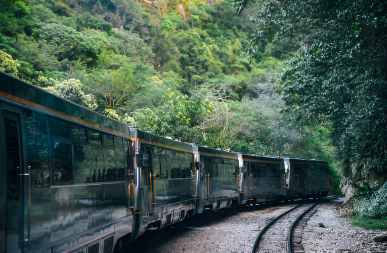
Getting there: train from Cusco (3h20 from Poroy) or Ollantaytambo (1h40), then a 25-minute Consettur bus up from Aguas Calientes. Peruways handles the chain — hotel pickup, transfer, train, bus, entry ticket, guide.
A well-planned Machu Picchu day is one less thing to think about on arrival.