Cusco sits at 3,399 metres (11,152 feet) above sea level. That’s high enough that most travellers feel the altitude on the first day — headache, mild nausea, breathlessness on stairs. Acclimatisation is a two-day process, not optional.
The practical response: slow down, drink water, skip the first-day pisco sours, and eat lightly. Coca tea is widely available and helps. If symptoms persist past 48 hours or escalate (sharp headache, vomiting), descend to the Sacred Valley at 2,800 metres — most of the hotels in Urubamba stock oxygen on hand.
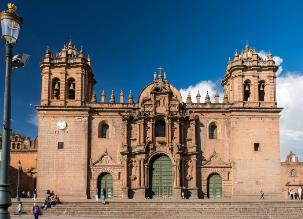
Day one in Cusco should be the Plaza de Armas, the cathedral, Qorikancha (built over by Santo Domingo) and the San Blas neighbourhood. Day two can stretch to Sacsayhuamán on the hill above town — a 30-minute walk uphill from Plaza de Armas, which is the mild stress test for your acclimatisation progress.
From Cusco, the usual sequence is: two nights here, one night in the Sacred Valley at Urubamba (lower, better sleep), then Machu Picchu the following day.
Peruways runs the full Cusco-Sacred Valley-Machu Picchu chain with licensed guides and transfers.
Give the city two days before any ambitious plans. The altitude rewards patience.