Cusco, the historic gateway to Machu Picchu, sits at an elevation of about 3,400 meters (11,200 feet) above sea level. This high altitude offers stunning vistas and a unique cultural experience but can also pose challenges for visitors unaccustomed to such elevations.
The altitude of Cusco means that travelers may experience altitude sickness, which can include symptoms like headaches, nausea, and dizziness. To mitigate these effects, it’s advisable to spend a few days acclimating to the altitude before engaging in more strenuous activities. Drinking plenty of water, consuming light meals high in carbohydrates, and avoiding alcohol can also help ease the transition.
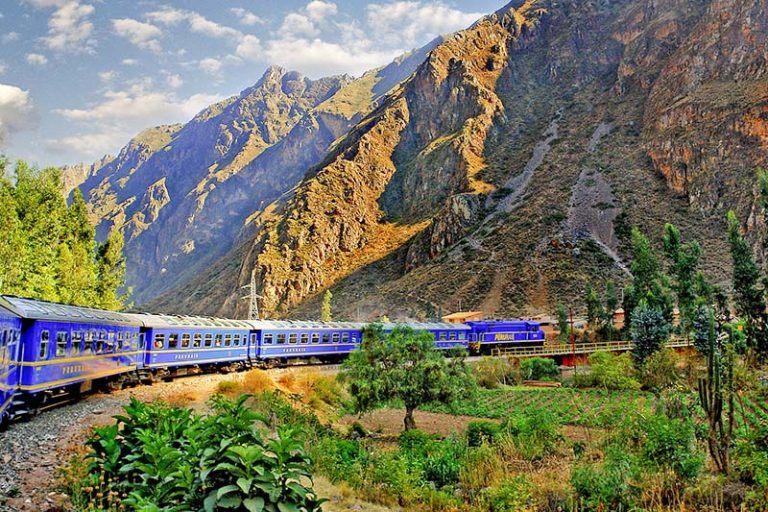
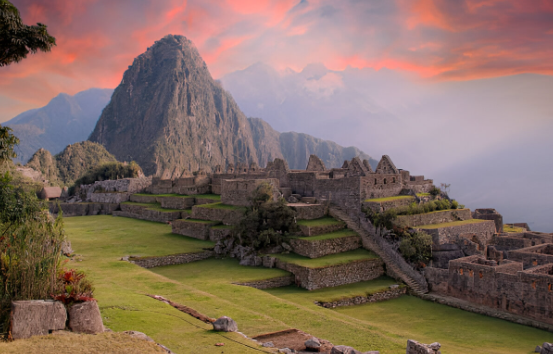
Despite the potential for altitude discomfort, Cusco’s elevation contributes to its breathtaking scenery and vibrant atmosphere. The city’s ancient ruins, including the impressive Sacsayhuamán fortress and the intricately designed Qorikancha temple, are set against a dramatic mountainous backdrop that enhances the beauty of the region.
For those planning a trip, preparation is key to ensuring a pleasant experience in Cusco. Peruways provides helpful resources and detailed information to assist travelers in adjusting to the high altitude. Their comprehensive guides cover everything from acclimatization tips to the best local attractions, helping you make the most of your visit to this remarkable city.
Understanding and preparing for Cusco’s elevation will enhance your visit, allowing you to fully enjoy the rich history and stunning landscapes that make this destination so special.