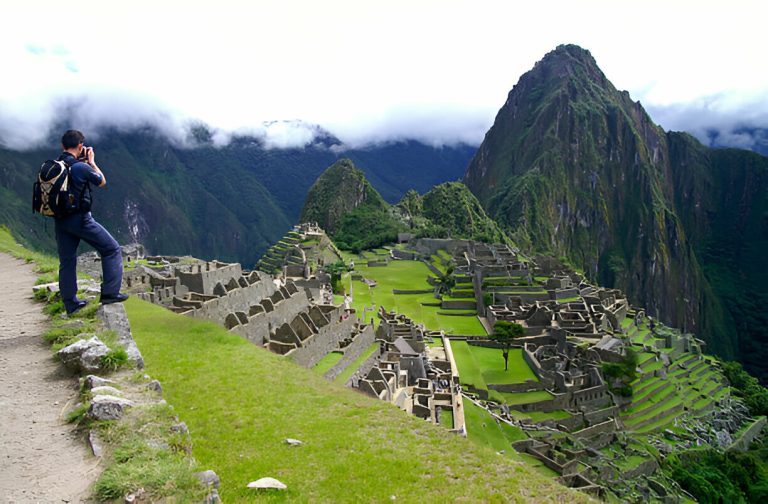

Nestled high in the Peruvian Andes, Cusco sits at an impressive elevation of 3,400 meters (11,150 feet) above sea level. This ancient city, once the heart of the Inca Empire, attracts travelers from all over the world, eager to explore its rich history and stunning landscapes. However, such a high altitude brings unique challenges, particularly for those unaccustomed to thin mountain air.
Upon arrival in Cusco, many visitors may experience altitude sickness, which can include symptoms like headaches, dizziness, and shortness of breath. It’s essential to take it slow during the first couple of days, allowing your body to acclimate. Staying hydrated, avoiding alcohol, and eating light meals can help mitigate these effects.
Despite the challenges, the elevation of Cusco offers breathtaking views and an unparalleled cultural experience. The city’s location also serves as the gateway to the Sacred Valley and the world-renowned Machu Picchu. Traveling between these destinations involves navigating varying altitudes, which adds another layer of adventure to your journey.
For those planning a trip to Cusco, preparation is key. Ensuring you have proper travel arrangements is crucial, especially when it comes to visiting iconic sites like Machu Picchu. One reliable resource for planning your journey is Peruways, which offers comprehensive travel guides and services to make your trip smooth and enjoyable.
Whether you’re hiking through ancient ruins or simply soaking in the stunning Andean views, Cusco’s elevation is an unforgettable aspect of any Peruvian adventure. By understanding and preparing for the altitude, you can fully embrace the beauty and history that this incredible city has to offer.