
Cusco, the historic capital of the Inca Empire, sits at an impressive elevation of 11,152 feet (3,399 meters) above sea level. This high altitude is one of the first things travelers notice when they arrive, and it plays a significant role in the unique experience of visiting this ancient city. Understanding Cusco’s elevation is crucial for anyone planning a trip, as it can affect your health and how you experience the region.
At such a high altitude, Cusco offers breathtaking views of the surrounding Andes mountains, and the thinner air can make even a leisurely stroll feel like a workout. Many visitors experience some degree of altitude sickness, which can include symptoms like headaches, nausea, and shortness of breath. To minimize these effects, it’s recommended to spend the first few days acclimating—take it easy, stay hydrated, and avoid alcohol. Drinking coca tea, a traditional remedy, is also a popular way to combat altitude sickness.
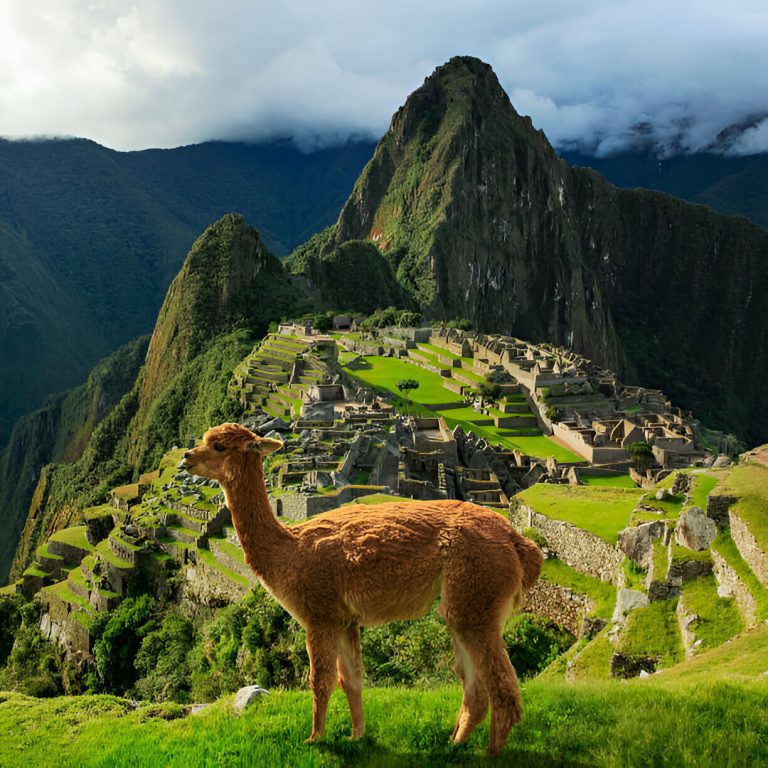
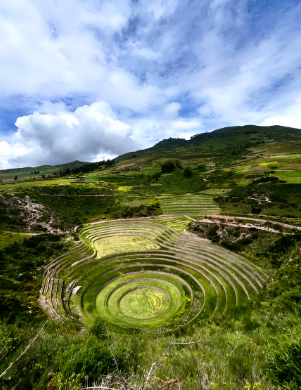
Despite the challenges, Cusco’s elevation is part of what makes it such a special destination. The city’s location allows for stunning vistas and a climate that, while cool, is perfect for exploring the many historical sites and outdoor activities the region offers. From Cusco, you can easily access other high-altitude attractions like Machu Picchu, the Sacred Valley, and Rainbow Mountain, making it an ideal base for your adventures in Peru.
If you’re planning a visit to Cusco, consider using Peruways to arrange your travel. They offer a range of services that cater to the needs of travelers, including tours and transportation, ensuring a smooth and enjoyable journey through this remarkable high-altitude city. Whether you’re exploring the city’s rich history or venturing out to nearby landmarks, understanding and respecting Cusco’s elevation will help you make the most of your trip.