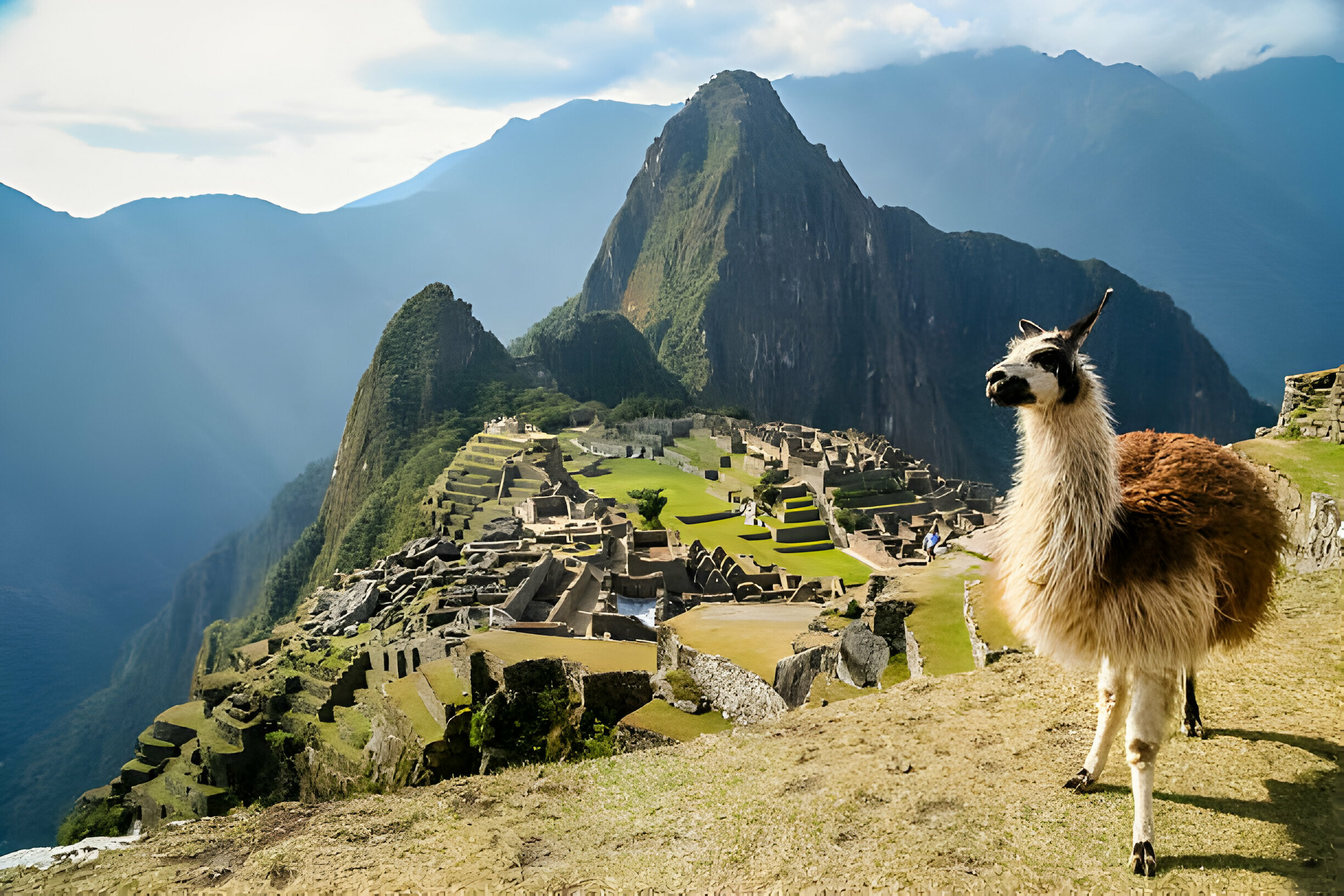
High in the Peruvian Andes, Machu Picchu is the clearest surviving monument to the Inca state. UNESCO-listed and often called the “Lost City of the Incas,” it is a direct line into a civilization most of whose cities were dismantled after Spanish contact.
Built in the 15th century, Machu Picchu is a working case study in Inca stonework. The walls are cut and fitted without mortar, and have held through five centuries of weather and quakes. Terraces, stairs, and ceremonial platforms sit along the ridge in ways designed to drain, hold temperature, and align with the sky.
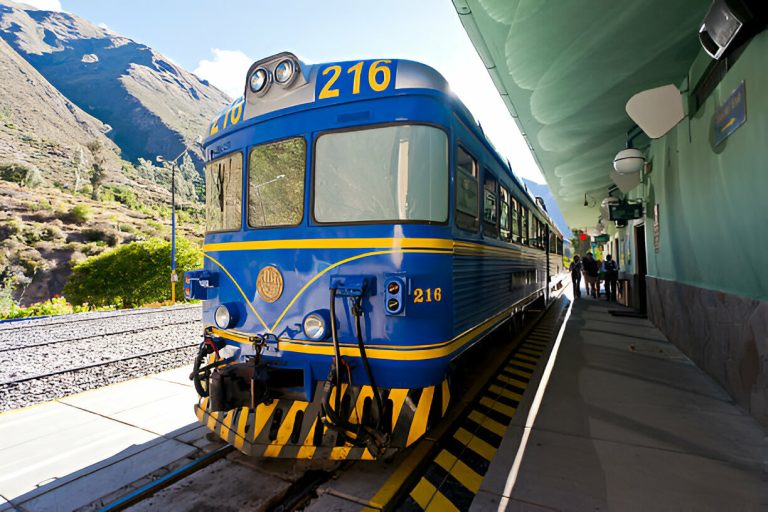
Reaching Machu Picchu is part of the experience. The Inca Trail trek and the Cusco train are the two main routes. Either way, you emerge above the Urubamba with the citadel below and the Andes behind.
Site highlights include the Temple of the Sun, the Room of the Three Windows, and the Intihuatana stone, which worked as an astronomical reference and ritual anchor. Each ties a specific architectural detail to a specific Inca practice.
Machu Picchu rewards slowness. The place reads better when you let the layout unfold instead of racing the circuit.