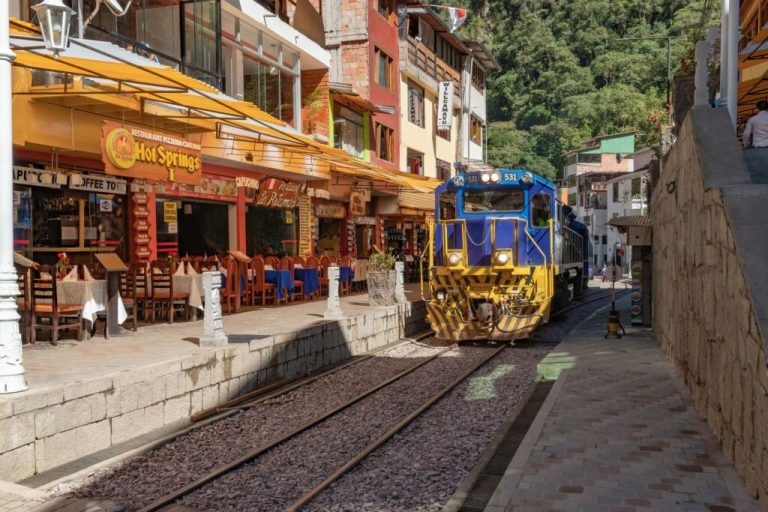

Machu Picchu, one of the most iconic landmarks in the world, sits high in the Peruvian Andes at an elevation of approximately 7,970 feet (2,430 meters) above sea level. This majestic Incan citadel attracts visitors from around the globe, eager to experience its history and breathtaking views. However, understanding Machu Picchu’s elevation is crucial for travelers to prepare for the altitude and make the most of their visit.
The altitude of Machu Picchu is significantly lower than that of Cusco, which stands at around 11,152 feet (3,399 meters). As a result, most travelers find Machu Picchu’s elevation easier to acclimate to, especially if they spend a few days in Cusco or the Sacred Valley beforehand. This acclimatization helps reduce the risk of altitude sickness, which can affect visitors at higher elevations.
At Machu Picchu, the cool mountain air and surrounding greenery offer a serene environment for exploring the ancient ruins. The terraces, temples, and stone structures are beautifully framed by the towering peaks of Huayna Picchu and Machu Picchu Mountain, both of which offer incredible hikes for adventurous travelers. While the elevation of the citadel itself is manageable, climbing either of these mountains can be more physically demanding.
To ensure a seamless trip to Machu Picchu, consider booking transportation, tickets, and tours in advance. Peruways offers convenient travel services to help you plan your journey, whether by train, bus, or guided tour. With their expert assistance, you can focus on enjoying the experience while they handle the logistics.
Machu Picchu’s elevation provides a perfect balance for travelers—offering a challenge without overwhelming, and making the trek up to this UNESCO World Heritage site all the more rewarding.