
The Inca Trail — the four-day, 42-km trek that ends at Machu Picchu — is the trip most hikers come to Peru for. The sacred part isn’t the destination; it’s the staircases and ritual sites along the way.
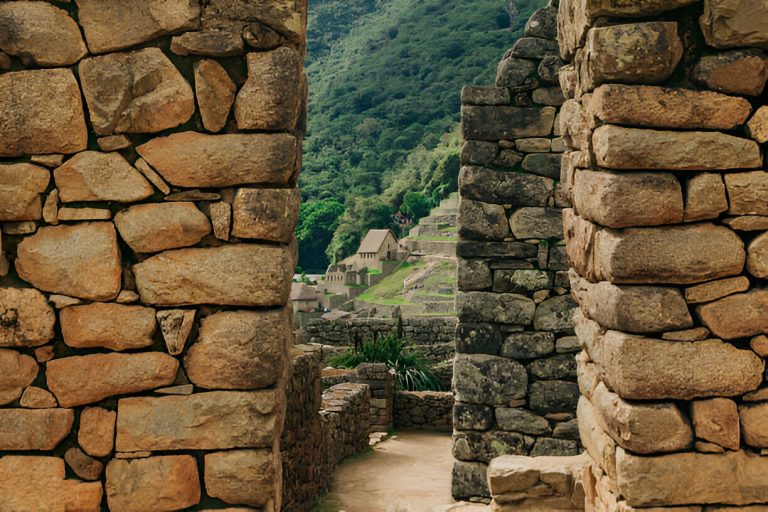
Inca staircases are cut from stone or shaped from fitted blocks, and they appear everywhere on the trail — climbing to Dead Woman’s Pass (4,215 m), descending to Phuyupatamarca, and arriving at the Sun Gate on the final morning. The staircases were built for feet, not horses or wheels, and they still work.
Along the trail you’ll pass Runkurakay, Sayacmarca, and Wiñay Wayna — three substantial sites that few day visitors to Machu Picchu ever see. Each has its own ritual geometry: water channels, carved stones, terraces aligned to the Southern Cross.
Peruways runs Inca Trail treks with Ministry-licensed guides, porters, and campsite logistics. The classic trail is capped at 500 people per day (including porters), and permits sell out 4–6 months in advance.