Cusco, the gateway to Machu Picchu, sits at an impressive elevation of 3,399 meters (11,152 feet) above sea level. For many travelers, the altitude can be a significant factor to consider when planning a visit, as the thin air may cause altitude sickness, also known as “soroche.”
To make the most of your time in Cusco, it’s essential to acclimatize properly. Upon arrival, take it easy on your first day—rest, stay hydrated, and avoid heavy meals. Coca tea, a traditional remedy, is commonly available and can help alleviate symptoms. If you’re prone to altitude sickness, consider consulting your doctor about medication before your trip.
Cusco’s elevation also means cooler temperatures, especially in the early mornings and evenings, so be sure to pack layers. Despite the potential challenges, the high altitude offers breathtaking views and a unique atmosphere, making it a key part of the experience.
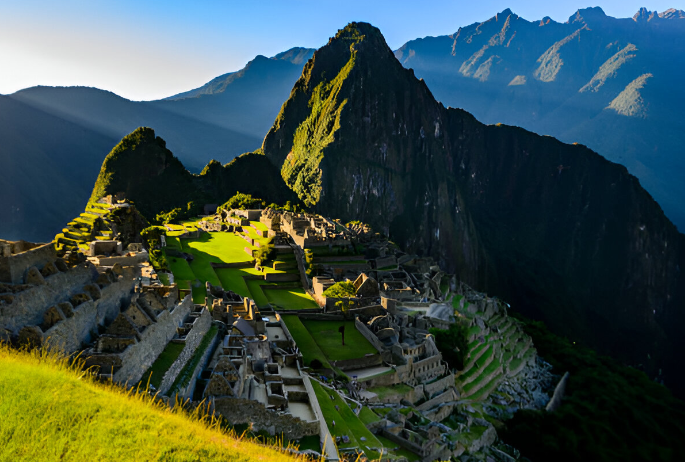
Exploring the city’s rich history and culture, from its Incan ruins to Spanish colonial architecture, is an unforgettable adventure. And when you’re ready to visit Machu Picchu, descending to the lower elevation of Aguas Calientes will feel like a relief after your time in Cusco.
For more tips on planning your visit to Cusco and Machu Picchu, including detailed itineraries and travel advice, check out Peruways. This resource provides everything you need to ensure a smooth and enjoyable journey in the Andes.
Prepare for Cusco’s elevation and embrace the adventure that awaits in this historic city.