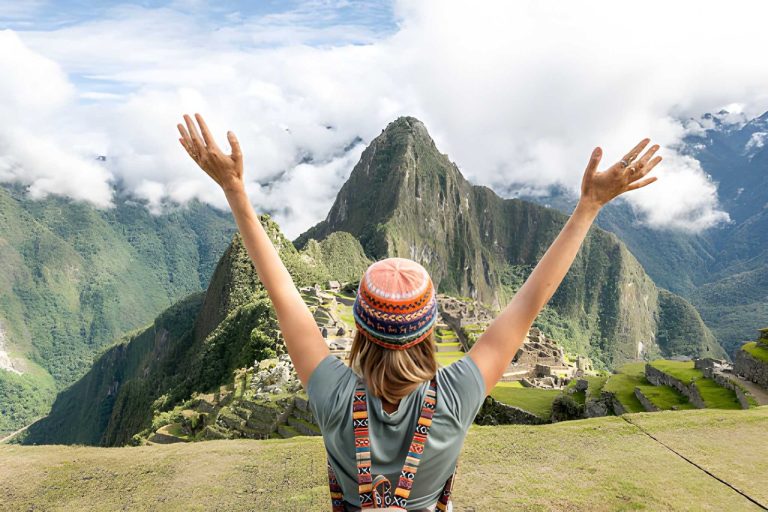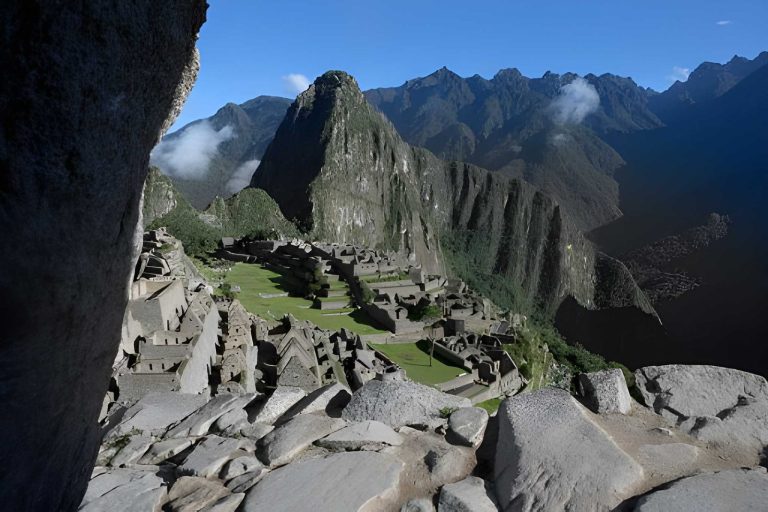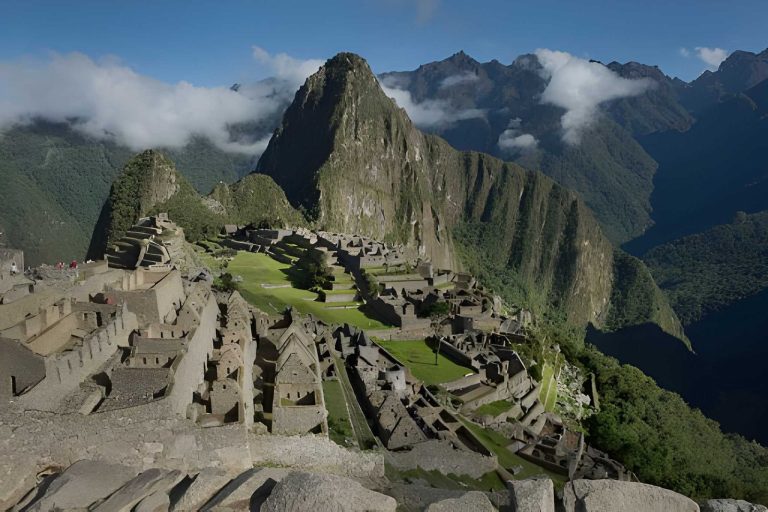
If you’re dreaming of visiting Machu Picchu, one of the first questions that probably comes to mind is: Is it a tough hike? The answer depends on the route you choose, your fitness level, and how prepared you are. Let’s break down the physical requirements so you can plan with confidence.
Visiting Machu Picchu Without Hiking
First, it’s important to know that you don’t have to complete a strenuous trek to see Machu Picchu. Many travelers take the train from Cusco or the Sacred Valley to Aguas Calientes, followed by a short bus ride up to the entrance.
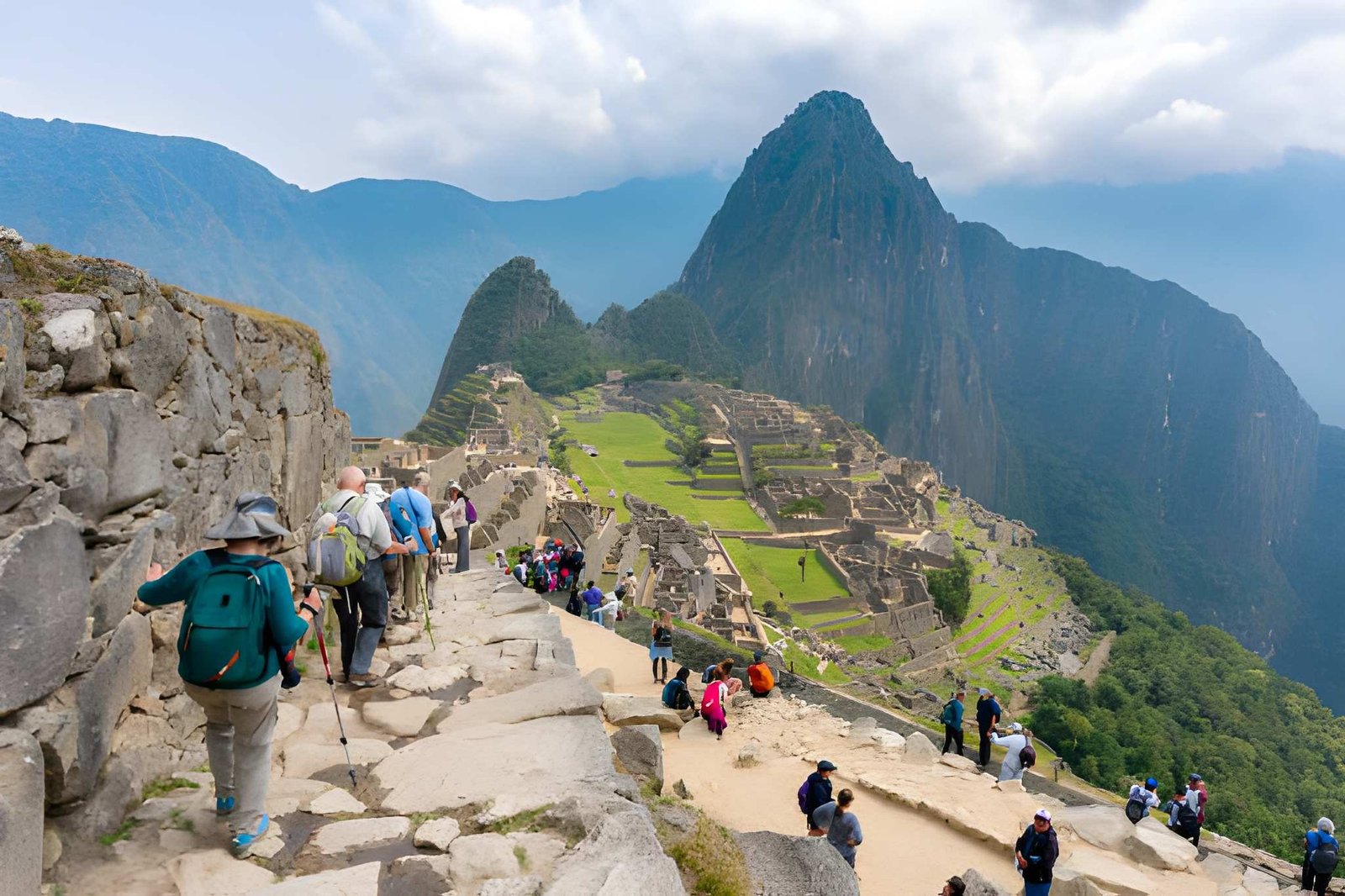
Once inside, you’ll walk along stone paths and steps. While there are uneven surfaces and some inclines, this option is manageable for most people with average mobility. However, the site sits at about 2,430 meters (7,970 feet) above sea level, so mild shortness of breath can occur, especially if you haven’t acclimatized.
Physical level required: Basic fitness and comfort walking for 2–4 hours.
Hiking the Inca Trail
For those seeking adventure, the Inca Trail is the most iconic route. The classic trek usually takes four days and covers approximately 42 km (26 miles). Hikers climb ancient stone steps, cross mountain passes (including Dead Woman’s Pass at 4,215 meters / 13,828 feet), and descend into cloud forests before arriving at Machu Picchu.
This hike is considered moderately challenging. You don’t need to be an athlete, but you should be in good physical condition. The altitude and long uphill sections can be demanding.
Physical level required: Good cardiovascular fitness, ability to hike 6–8 hours per day, and prior preparation.
Alternative Treks: Salkantay & Others
Routes like the Salkantay Trek offer a more rugged experience. The Salkantay Trek is often considered more physically demanding than the Inca Trail due to higher elevations (up to 4,650 meters / 15,255 feet) and longer daily distances.
These treks are ideal for experienced hikers who enjoy challenging terrain and dramatic mountain scenery.
Physical level required: Strong fitness level, hiking experience recommended.
Key Physical Challenges to Consider
No matter which option you choose, here are the main physical factors:
Altitude: Even moderate activity can feel harder at higher elevations. Spend at least 1–2 days acclimatizing in Cusco or the Sacred Valley.
Uneven Terrain: Stone steps can be steep and irregular.
Weather Conditions: Rain can make paths slippery, especially during the wet season (November–March).
Endurance: Longer treks require stamina over consecutive days.
How to Prepare
If you’re planning a trek, start preparing at least 6–8 weeks in advance:
Do regular cardio (hiking, jogging, cycling).
Practice walking uphill or on stairs.
Strengthen your legs with squats and lunges.
Train with a light backpack to simulate trekking conditions.
Even for non-hikers, general fitness and proper acclimatization will greatly improve your experience.
So, Is Machu Picchu a Tough Hike?
It can be — but it doesn’t have to be. Visiting Machu Picchu itself is accessible to most travelers. Trekking to it, especially via the Inca Trail or Salkantay, requires solid preparation and determination.
The good news? With the right planning and support, thousands of travelers of all ages successfully complete these journeys every year.
If you’re ready to experience Machu Picchu your way — whether by scenic train ride or epic multi-day trek — our team is here to help. Visit https://peruways.com to explore our tours and book your unforgettable Peru adventure today.