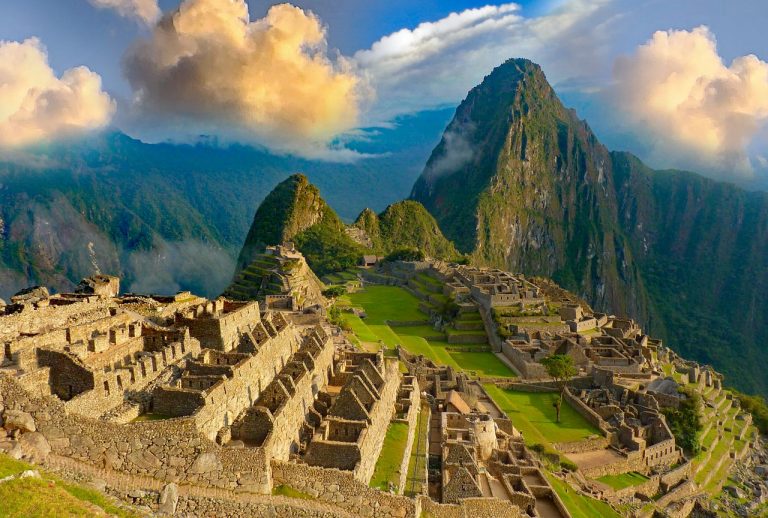

Machu Picchu’s walls are the real reason the site has survived 600 years. Ashlar masonry — stones fitted without mortar, cut so precisely a knife blade won’t go between them — turns out to be earthquake-resistant on a continent that gets earthquakes often.
The Inca masons used harder stones as hammers to shape the local granite. Trapezoidal doorways and inward-leaning walls distributed seismic load. Peruways’ guides walk you through the technique at the Temple of the Sun, the Royal Tomb, and the finer sections of the Sacred Plaza — where the finest work was reserved for ritual spaces.
You can also see the gradient. The agricultural terraces use rougher stones, mortar between them, and less fitted joints. The residential blocks sit between the two. The Incas allocated craftsmanship by purpose.
Peruways’ bookings cover the train from Cusco or Ollantaytambo, the Consettur bus from Aguas Calientes, entrance tickets, and the licensed guide in one transaction.
Plan your Machu Picchu visit at Peruways.