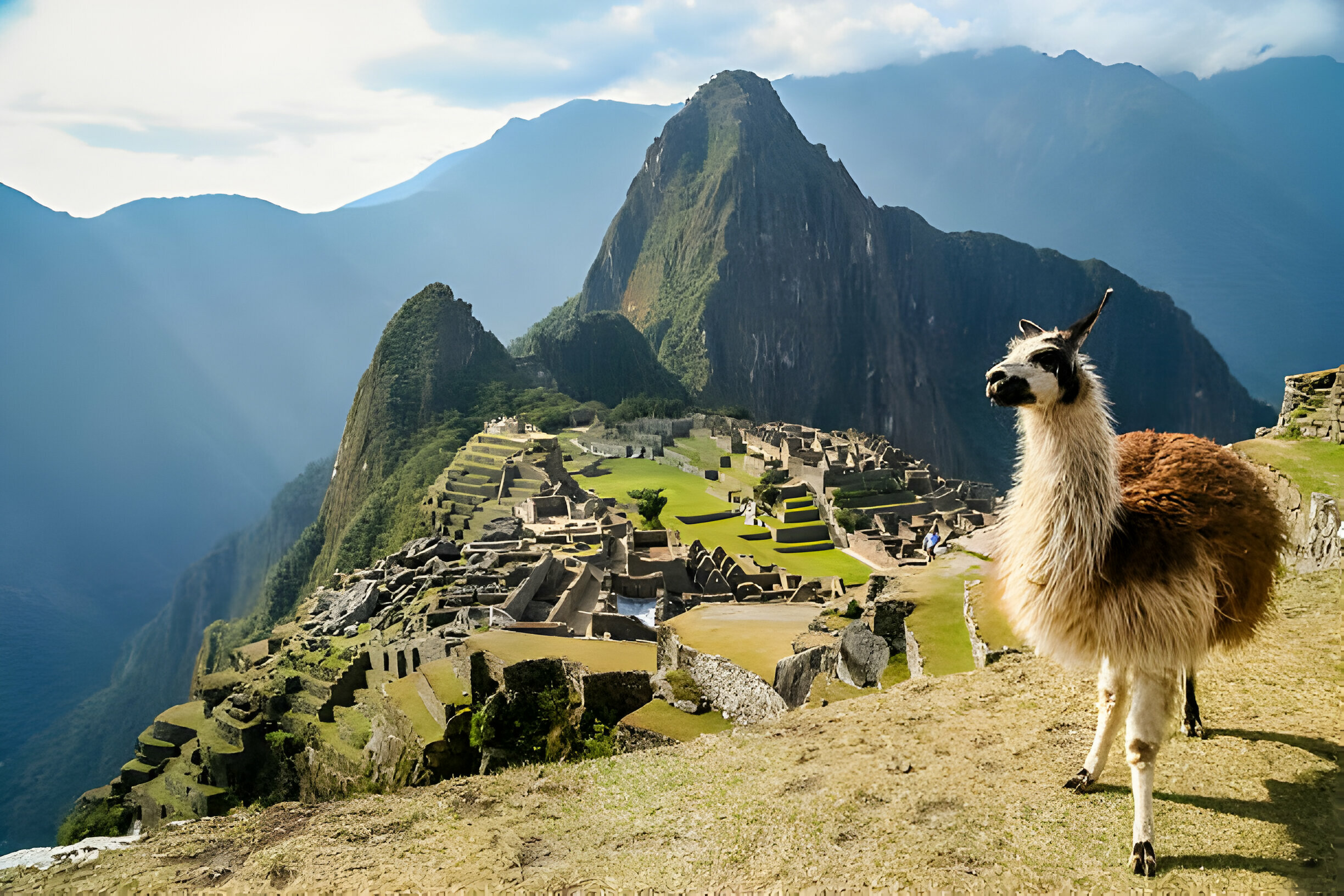
Machu Picchu photographs well in almost any light, but the two best windows are sunrise and the late-afternoon golden hour. The citadel sits in a bowl of cloud forest, and the mist moves fast enough that the same viewpoint can look completely different 20 minutes apart.
At sunrise — if you have early entrance — the first direct light hits the terraces around 6:15–6:45 a.m. depending on season, lighting the citadel in warm orange while the surrounding peaks stay in shadow. The classic framing from the Guardian’s Hut works best in this window. Bring a wide lens; the site is bigger than people expect.
Beyond the postcard viewpoints, the Inca Bridge trail (an easy flat walk along a cliff ledge) and the Sun Gate (90 minutes up, framing shot from above) both offer alternatives to the main composition. Inside the citadel, closer shots of the stonework reward longer lenses — the trapezoidal doorways, the ashlar joints, the water fountains.
Experiment with angles. The classic shot is slightly cliché now; a photographer who’s spent time at the site will find half a dozen framings that aren’t on Instagram yet. Try the Intihuatana at mid-afternoon with side light, or the terraces from circuit 3’s upper viewpoint.
Late afternoon brings the second light window. The sun drops behind Machu Picchu Mountain early (around 4:30 p.m. in winter), so plan the shot before then. The post-rain light after an afternoon shower, when the sun breaks through the cloud, is some of the best light the site offers.