Machu Picchu, the iconic Incan citadel set high in the Andes Mountains, is a must-visit destination for travelers around the world. Situated at an altitude of approximately 2,430 meters (7,970 feet) above sea level, understanding how to manage the elevation is crucial for an enjoyable experience.
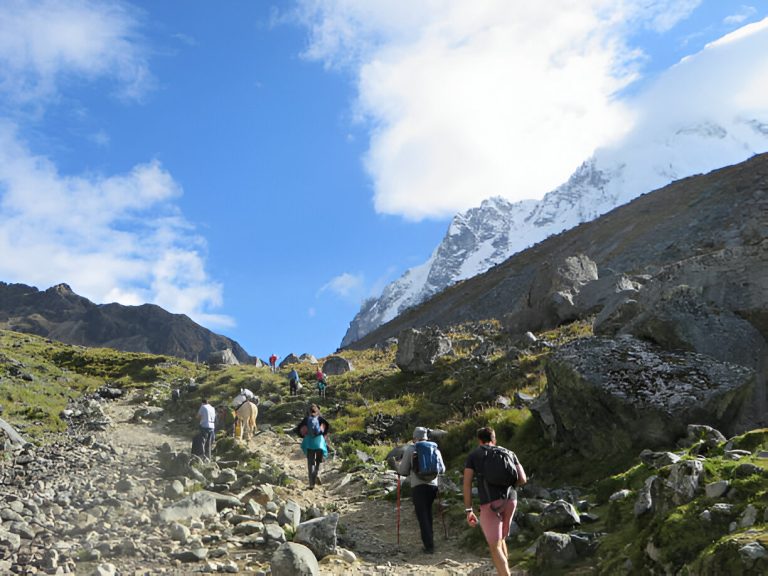
One of the main concerns for visitors is altitude sickness, which can occur when the body is unable to acclimatize quickly to higher elevations. Symptoms may include headaches, nausea, dizziness, and fatigue. To minimize the risk, it’s wise to spend a few days in Cusco or the Sacred Valley before heading to Machu Picchu. Both locations are at lower altitudes, allowing your body to adjust gradually. Staying hydrated is also essential; drinking plenty of water helps alleviate potential symptoms.
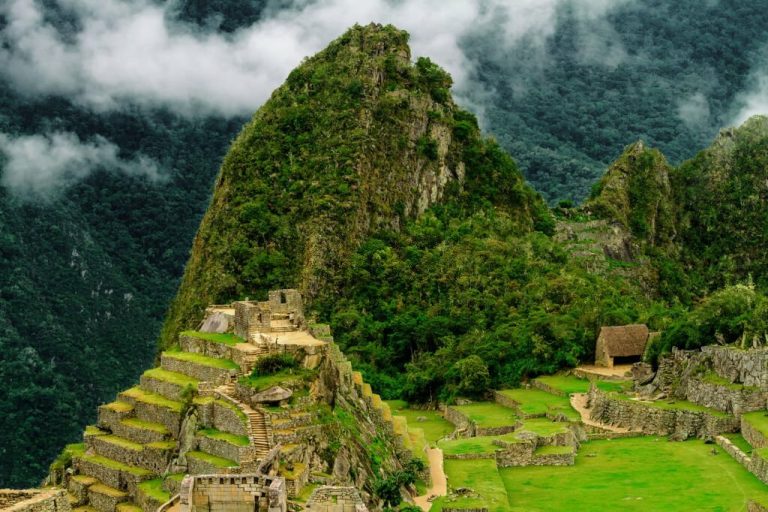
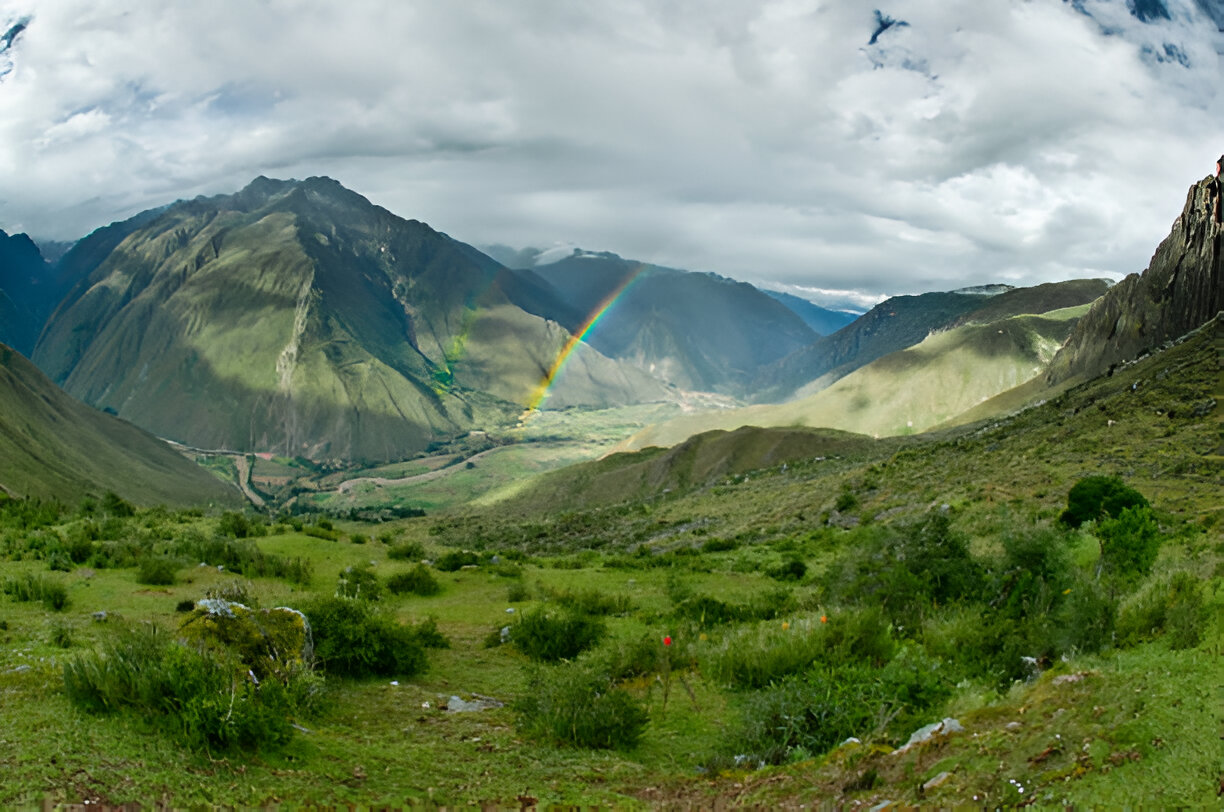
While acclimatization is important, it shouldn’t deter you from visiting this breathtaking site. The stunning views from Machu Picchu are well worth the trip, offering a unique glimpse into Incan history and culture. The lush green mountains and valleys create a captivating landscape that enchants every traveler.
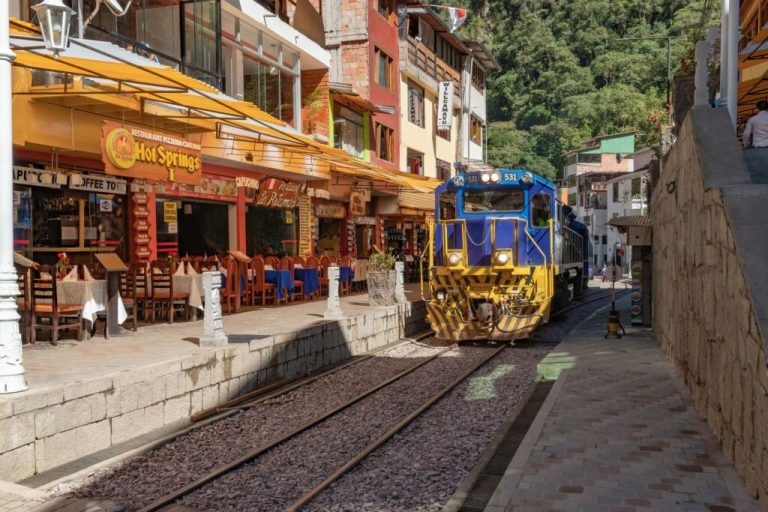
When planning your visit, consider using a reliable service like Peruways for your transportation needs. They offer convenient options for train tickets and guided tours, making it easy to navigate your journey to this ancient citadel. Booking in advance ensures a smooth experience and allows you to focus on enjoying the wonders of Machu Picchu.
In summary, while the altitude of Machu Picchu presents some challenges, with the right preparation, you can fully embrace the adventure. By acclimatizing properly and staying informed, you’ll be ready to explore the majestic ruins and take in the spectacular scenery that makes Machu Picchu a truly unforgettable destination.