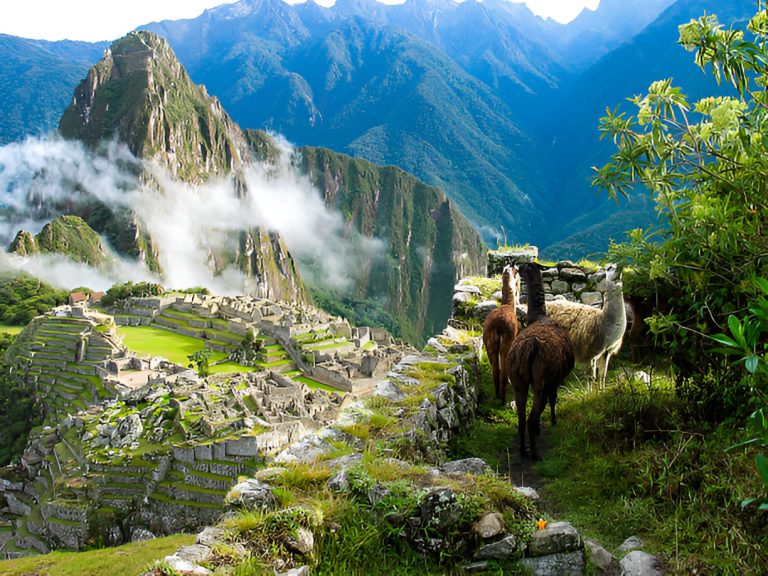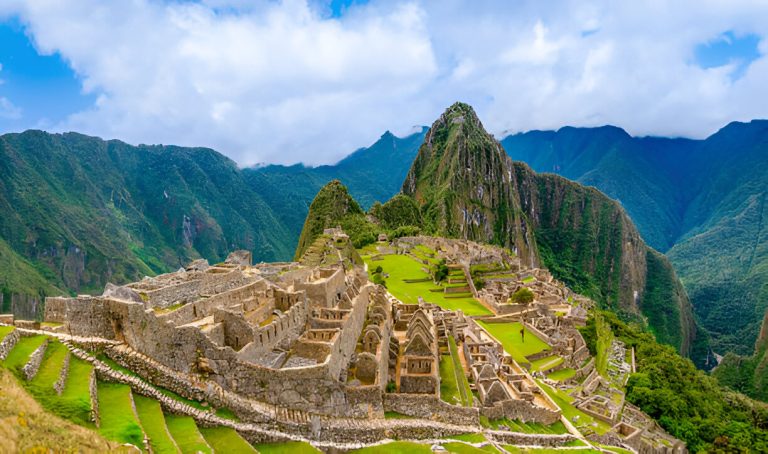

Machu Picchu sits at 2,430 meters (7,970 feet) above sea level. That’s high but not extreme — most visitors handle it fine. The city that actually causes altitude trouble is Cusco, 1,000m higher at 3,400m (11,152 feet), which is where you’ll likely spend your first nights.
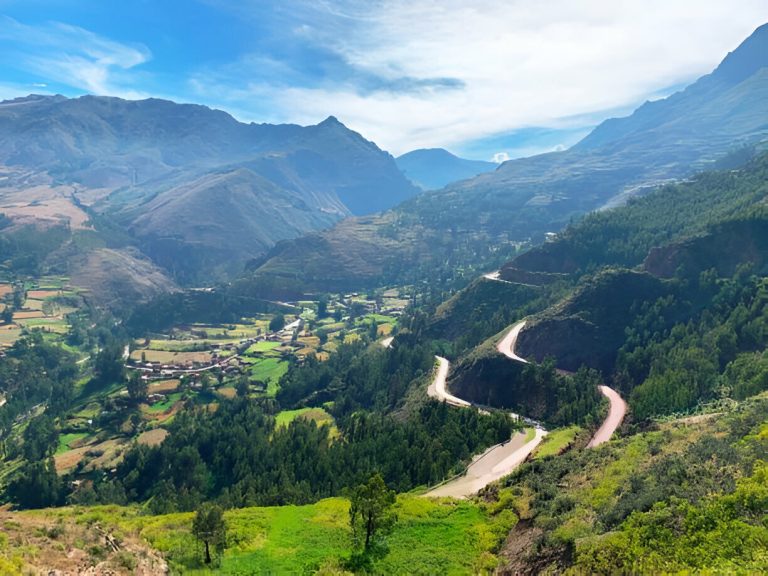
Acute Mountain Sickness (AMS) shows up as headache, dizziness, nausea or shortness of breath. It usually hits in the first 24 hours at altitude and clears in 2 to 3 days as the body produces more red blood cells. The reliable countermeasure is time: two or three nights in Cusco before heading up to the citadel, or (better) two nights in the Sacred Valley at 2,800m, which is lower and easier to sleep at.
Day 1 at altitude: drink 3–4 litres of water, skip alcohol, go light on food, don’t try to run up the stairs at Sacsayhuamán. Coca tea (mate de coca) is a mild local vasodilator and does genuinely help. If symptoms are severe, acetazolamide (Diamox) from a doctor is the gold standard.
Planning around altitude is one of the things Peruways gets asked about most. We’ll typically route first-timers through the Sacred Valley rather than straight into Cusco for exactly this reason. Transfers, hotels and tour pacing at Peruways.
Prepare for the altitude and the visit runs smoothly. Ignore it and you’ll spend day 2 in a hotel room.