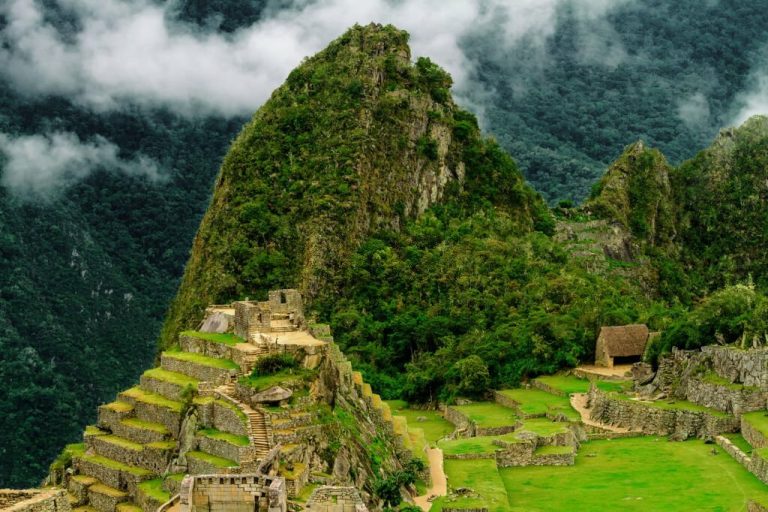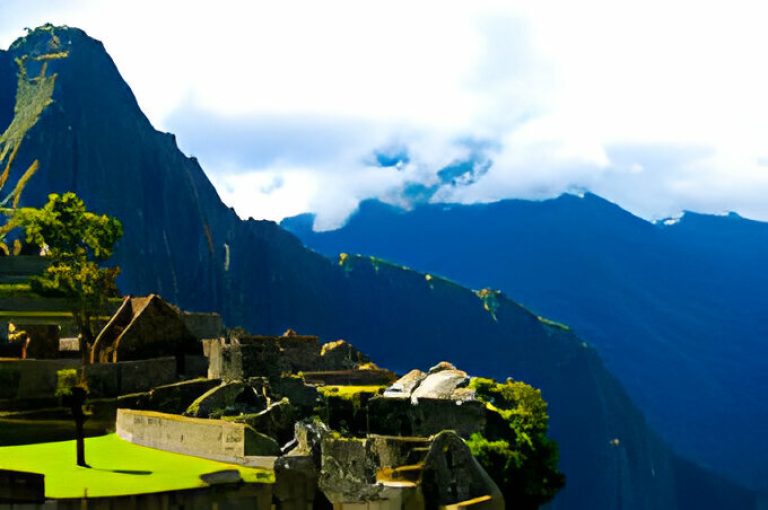

Machu Picchu, one of the most iconic and breathtaking archaeological sites in the world, sits at a lofty elevation of 2,430 meters (7,970 feet) above sea level. This Inca citadel, nestled in the Andes Mountains, offers stunning views, ancient ruins, and a rich cultural experience, but its elevation is an important factor to consider when planning your visit.
At this altitude, the thinner air can affect visitors in different ways, especially those who are not accustomed to higher elevations. Some travelers may experience mild altitude sickness symptoms, such as headaches, dizziness, or shortness of breath. To mitigate these effects, it’s essential to stay hydrated, take it slow during your first few days, and give your body time to acclimatize—especially if you’re coming from lower elevations.
Cusco, the gateway city to Machu Picchu, sits at an even higher elevation of 3,400 meters (11,200 feet). Many travelers choose to spend a few days in Cusco or the Sacred Valley, which sits at a slightly lower elevation, to acclimatize before heading to Machu Picchu. The reward for overcoming the challenge of high altitude is experiencing the magical beauty of this ancient wonder firsthand.
Whether you’re hiking the Inca Trail or taking the train from Cusco to Aguas Calientes, Peruways can help you plan your journey seamlessly. They offer expert advice on acclimatization, transportation options, and tours to make sure your Machu Picchu adventure is both safe and memorable. Embrace the altitude and the adventure that awaits at this magnificent Inca site, and let Peruways guide you through the experience of a lifetime.