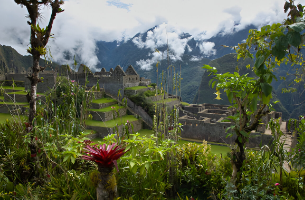

Machu Picchu, one of the most iconic archaeological sites in the world, is situated at an impressive elevation of approximately 2,430 meters (7,970 feet) above sea level. This altitude not only contributes to its breathtaking views but also plays a significant role in the experience of visitors. Understanding the elevation of Machu Picchu is essential for travelers planning to explore this ancient Inca city.
Due to its high elevation, many visitors may experience altitude sickness, which can include symptoms like headache, nausea, and fatigue. To mitigate these effects, it is advisable to acclimatize by spending a few days in nearby Cusco, which sits at around 3,400 meters (11,200 feet). This allows your body to adjust to the altitude before ascending to Machu Picchu. Staying hydrated and avoiding alcohol can also help ease the transition.
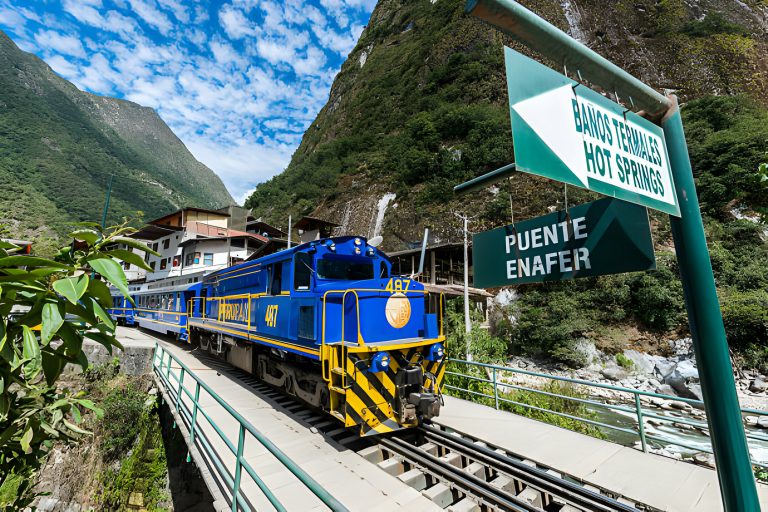
The journey to Machu Picchu typically begins in Cusco, where you can take a scenic train ride through the Sacred Valley. Upon arrival at the Machu Picchu station, the breathtaking views of the surrounding mountains and lush vegetation will make the trip worthwhile. Once at the site, the elevation enhances the sense of awe as you wander through the well-preserved ruins and take in the panoramic vistas.
To make your trip to Machu Picchu seamless and enjoyable, consider booking your tours through Peruways. They offer comprehensive packages that include transportation, guided tours, and valuable insights into the history and significance of the site.
In summary, understanding the elevation of Machu Picchu is crucial for a successful visit. Proper acclimatization and planning can help you fully enjoy this breathtaking wonder of the world.