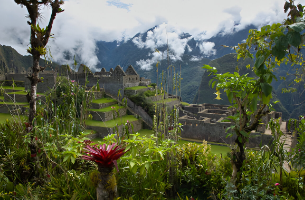
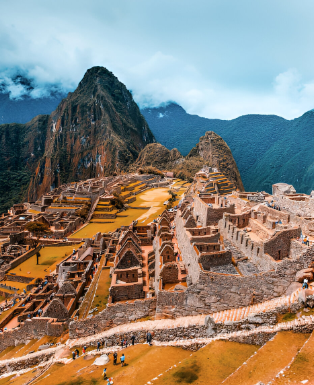
Machu Picchu, perched high in the Peruvian Andes, is one of the most famous archaeological sites in the world. Situated at an altitude of approximately 2,430 meters (7,970 feet) above sea level, the site’s elevation is an important factor to consider when planning your visit.
The altitude of Machu Picchu is significantly lower than that of Cusco, which sits at about 3,400 meters (11,150 feet). For many travelers, this lower altitude can be a relief after adjusting to the higher elevation of Cusco. However, it’s still crucial to be mindful of the effects of altitude, especially if you’re sensitive to changes in elevation.
Visitors may experience mild symptoms of altitude sickness, such as shortness of breath, fatigue, or headaches, particularly if they’ve recently arrived from lower elevations. It’s recommended to acclimatize in Cusco or the Sacred Valley before heading to Machu Picchu. Staying hydrated, eating light meals, and taking it slow during your initial days can help mitigate these symptoms.
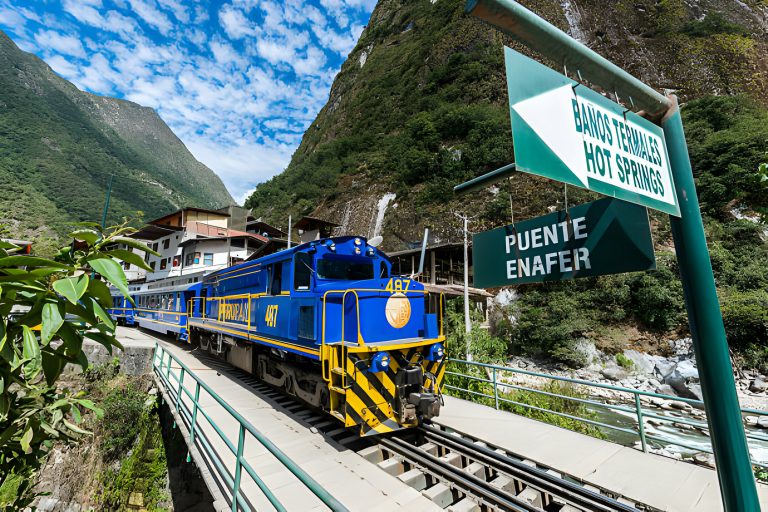
For those looking to make their trip to Machu Picchu as smooth as possible, Peruways offers practical tips and travel advice, including how to manage the effects of altitude and plan your journey. Whether you’re hiking the Inca Trail or taking the train, understanding the altitude and how it may impact your experience is key to enjoying the wonders of Machu Picchu fully. With the right preparation, you can focus on the breathtaking beauty and rich history of this UNESCO World Heritage site.