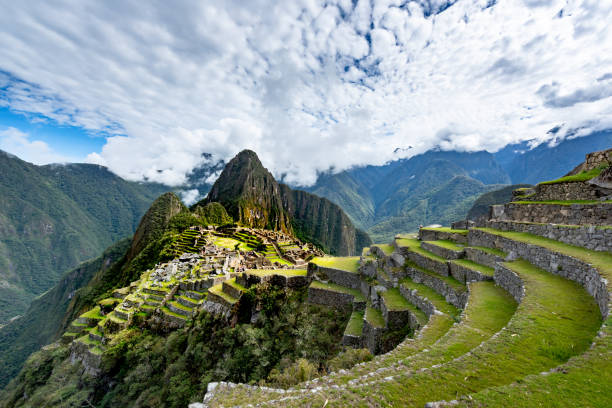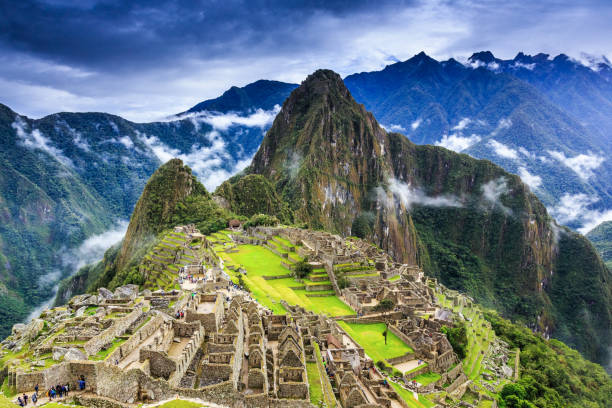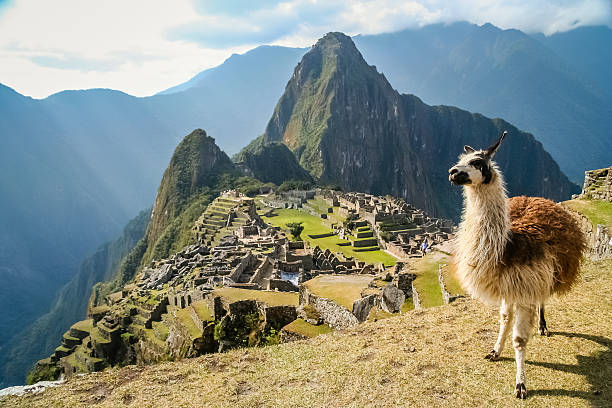
High in the Peruvian Andes, where mist drifts between dramatic peaks and the mountains seem to touch the sky, lies one of the world’s most extraordinary archaeological treasures: Machu Picchu.
More than a breathtaking destination, Machu Picchu is a place where history, architecture, nature, and mystery come together. Built in the 15th century during the height of the Inca Empire, the ancient citadel remains one of the most remarkable examples of Inca engineering and urban design.
A City Shaped by the Mountains
Standing at approximately 2,430 meters above sea level, Machu Picchu appears almost to grow from the mountainside. Its stone walls, terraces, stairways, and ramps follow the natural contours of the landscape, creating a remarkable harmony between human craftsmanship and nature.
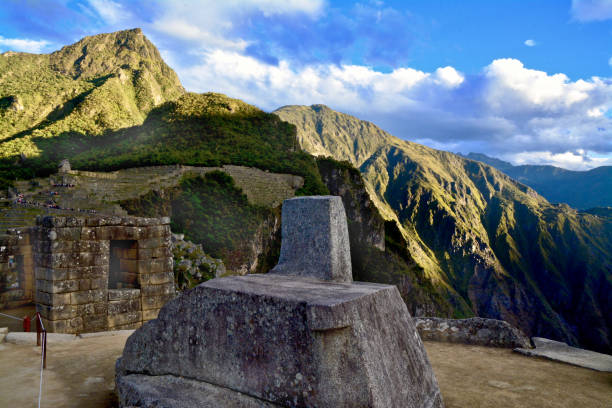
The Incas transformed this challenging terrain into a sophisticated settlement. More than 200 structures once formed a carefully organized center with residential, agricultural, religious, ceremonial, and astronomical functions. Even today, the precision of the stonework inspires wonder.
Mysteries Written in Stone
One of the most fascinating things about Machu Picchu is how much remains unknown.
What exactly was its purpose? Why was it built in such a remote and spectacular location? How did the Incas achieve such extraordinary precision without modern machinery?
Archaeologists continue to study the site, and some of its secrets may never be fully answered. This sense of mystery is part of what makes walking through Machu Picchu so captivating. Every doorway, terrace, and carefully placed stone seems to invite another question.
The site also reflects the Incas’ deep connection with the natural world. Mountains, sunlight, water, and the surrounding landscape were important elements of their worldview, and Machu Picchu’s design demonstrates an extraordinary relationship between architecture and its environment.
More Than an Ancient City
Machu Picchu is also part of a much larger sanctuary, one recognized by UNESCO for both its cultural and natural significance. The surrounding protected area stretches across diverse Andean and cloud-forest environments, supporting remarkable biodiversity alongside its archaeological heritage.
In 1983, the Historic Sanctuary of Machu Picchu was inscribed on the UNESCO World Heritage List, recognizing its exceptional cultural, architectural, and natural value.
Experience the Story for Yourself
Photos can capture the terraces and mountain peaks, but they cannot fully convey the feeling of standing among these ancient stones as clouds move across the Andes.
A journey to Machu Picchu is more than checking an iconic destination off your list. It is an opportunity to walk through a landscape shaped by an extraordinary civilization and experience a story that has survived for centuries.
Ready to discover the stories carved in stone? Let PeruWays help you experience Machu Picchu and the wonders of Peru.
Plan your Machu Picchu adventure with PeruWays