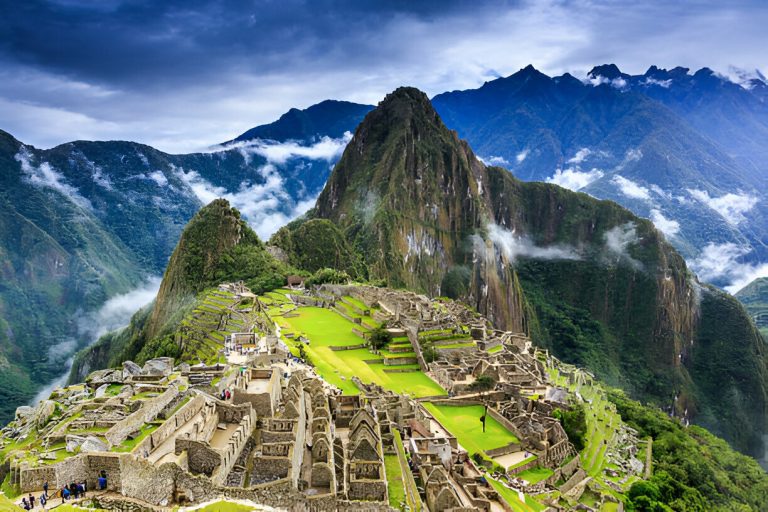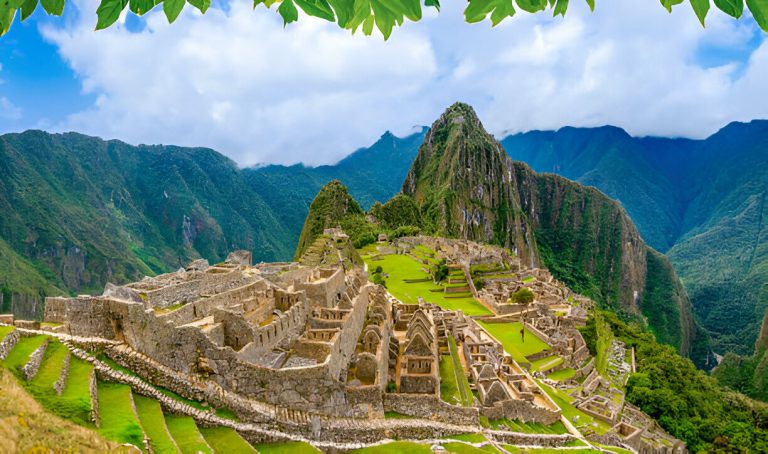

Machu Picchu is more than just an architectural wonder—it’s a sacred city filled with history and mysticism. The Machu Picchu temples history reveals how the Incas built these structures with a deep connection to nature, astronomy, and their gods. Each temple within the citadel played a crucial role in religious ceremonies, celestial observations, and spiritual rituals.
If you’re planning to explore these sacred sites, book your Machu Picchu tickets now at PeruWays.com and experience the magic of the Lost City of the Incas.
The Temple of the Sun: Worship of Inti, the Sun God
One of the most significant structures in Machu Picchu is the Temple of the Sun, which was dedicated to Inti, the supreme Inca deity. This semi-circular temple was built with remarkable precision, allowing sunlight to pass through its windows during the solstices. Consequently, priests used it for sun worship, sacrifices, and astronomical studies. Today, visitors can still admire the temple’s stonework and its alignment with the sun’s movement.
Temple of the Three Windows: A Tribute to the Inca Trilogy
Another remarkable site is the Temple of the Three Windows, located in the Sacred Plaza. This temple features three large trapezoidal openings, which are believed to symbolize the three realms of the Inca worldview:
Hanan Pacha (the upper world) – the realm of gods and celestial beings
Kay Pacha (the present world) – the world of humans and nature
Uku Pacha (the underworld) – the land of ancestors and spirits
Because of this, many researchers believe the temple represented the Inca trilogy, which was also symbolized by sacred animals: the condor, puma, and snake.
The Principal Temple: A Place for the Elite and Religious Ceremonies
Adjacent to the Temple of the Three Windows stands the Principal Temple, another important religious site. This massive structure, built with large stone blocks, was used for major ceremonies and gatherings. Inca priests and nobility conducted rituals here to honor the gods and maintain balance between the divine and earthly realms. Even though time has caused some structural damage, the temple remains one of the most impressive sacred spaces in Machu Picchu.
Intihuatana: The Inca Solar Observatory
One of the most mysterious structures in Machu Picchu is Intihuatana, often called the “Hitching Post of the Sun.” Unlike other temples, this sacred carved rock functioned as an astronomical calendar, marking solstices and equinoxes. The Incas believed Intihuatana connected them to spiritual energies, which is why it was a key element in religious ceremonies. Even today, many visitors claim to feel a unique energy when touching the stone.
Temple of the Condor: Symbol of Freedom and the Afterlife
Hidden within the ruins lies the Temple of the Condor, a fascinating site shaped like the wings of a condor. In Inca mythology, the condor represented freedom, wisdom, and the afterlife. Therefore, this temple may have been used for ceremonial offerings, including animal sacrifices. Additionally, the rock formations create a natural illusion of a condor in flight, further emphasizing the temple’s spiritual meaning.
Experience the Mysticism of Machu Picchu in Person
Clearly, Machu Picchu is not just a historical site—it is a place of spiritual power that continues to captivate visitors worldwide. Walking through these sacred temples, you can feel the ancient wisdom and mystical energy of the Incas.
Don’t miss the opportunity to explore these breathtaking temples! Book your Machu Picchu tickets today at PeruWays.com and embark on a journey through Inca history and mysticism.