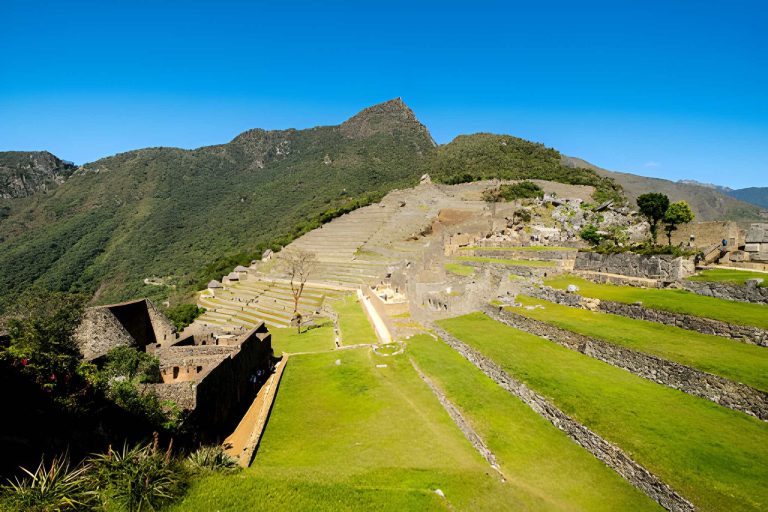
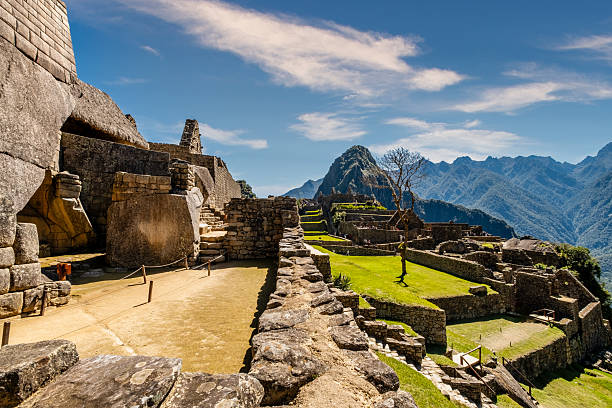
High in the misty Andes stands one of the world’s greatest archaeological treasures: Machu Picchu. More than a scenic landmark, it is a masterpiece of engineering, power, and mystery. Every stone tells a story shaped by vision and resilience.
The Vision of an Empire
Machu Picchu was built in the 15th century under the rule of Pachacuti. He was the leader who expanded the Inca Empire into one of the largest civilizations in the Americas.
The empire stretched across much of western South America. Its influence reached present-day Peru, Ecuador, Bolivia, Chile, and Argentina. Machu Picchu stood high above the Sacred Valley at 2,430 meters (7,970 feet).
Historians believe the site served as a royal estate and ceremonial center. Others suggest it also functioned as an astronomical observatory. Its remote location reflects the Incas’ deep spiritual bond with nature.
Engineering Beyond Its Time
Machu Picchu is famous for its advanced construction. The Incas built it without mortar, metal tools, or the wheel. They used ashlar masonry, cutting stones with precision and fitting them tightly together.
This technique helped the buildings survive earthquakes. The trapezoidal doors and windows also added stability. Beneath the visible structures lies an extensive drainage system. It protects the city during heavy rains and prevents flooding.
The agricultural terraces are another engineering triumph. They provided food and prevented erosion. Each layer includes stone, sand, and soil for proper drainage. The design shows remarkable knowledge of mountain ecology.
More than half of the site’s structure lies underground. These hidden foundations have preserved the citadel for centuries. The balance between architecture and environment remains impressive today.
A City Hidden for Centuries
When Spanish conquistadors arrived in the 16th century, they never found Machu Picchu. The city remained hidden among dense vegetation and steep peaks.
In 1911, American explorer Hiram Bingham III introduced the site to the international community. Local families already knew of its existence. However, Bingham’s expedition brought global attention and lasting fascination.
Mystery and Meaning
Many questions about Machu Picchu remain unanswered. Why was it abandoned? How were supplies transported to such a remote location? What rituals took place within its temples?
Structures like the Temple of the Sun and the Intihuatana stone reveal advanced astronomical knowledge. The Incas aligned key buildings with solstices and celestial events. Their architecture blended science, spirituality, and landscape.
This sense of mystery continues to captivate visitors. Machu Picchu is not just a monument. It is a symbol of human ingenuity and cultural pride.
Discover Machu Picchu with Peruways
The best way to understand Machu Picchu is to experience it in person. Walk the terraces at sunrise. Feel the mountain air. Watch history rise through the clouds.
At Peruways, we create unforgettable journeys across Peru. Our expert team designs experiences that connect you with culture, history, and breathtaking landscapes.
Ready to explore Machu Picchu through time? Visit https://peruways.com and book your adventure today. Let Peruways guide you through the engineering brilliance, imperial legacy, and timeless mystery of Machu Picchu.