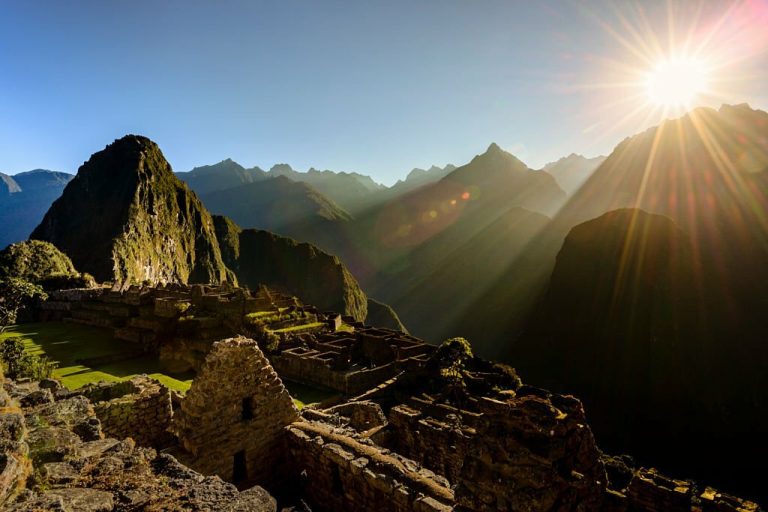

Machu Picchu sits at 2,430 m (7,970 feet) above sea level — modest for the Andes but higher than most travelers are used to. PeruWays handles the acclimatization planning as part of our itineraries.
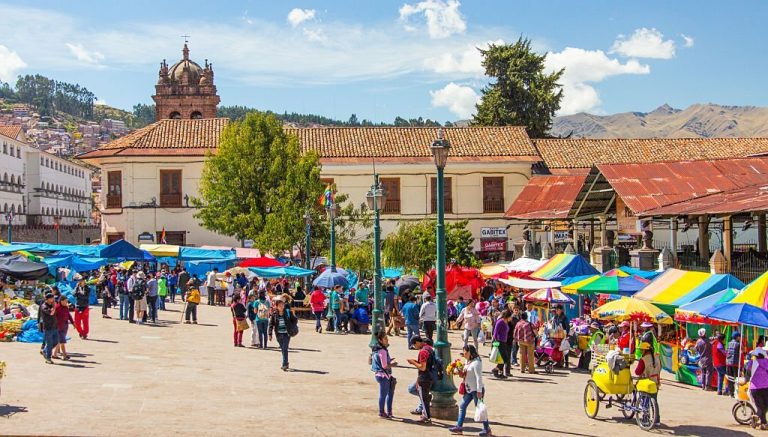
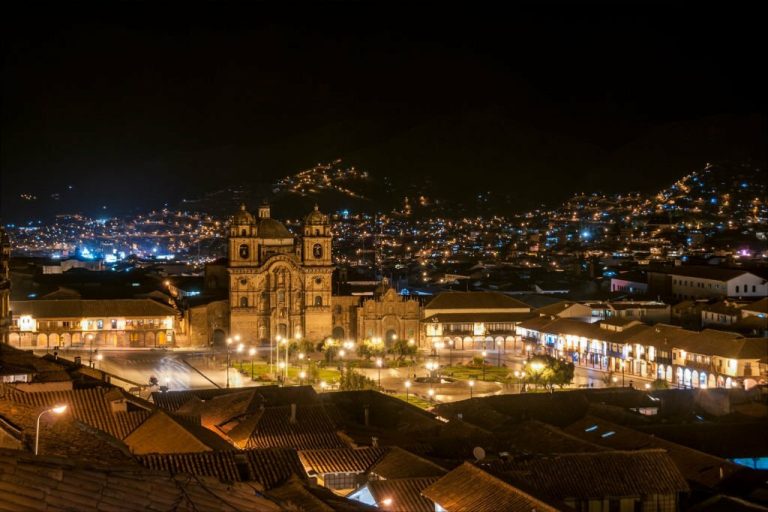
The citadel’s altitude is actually lower than Cusco’s (3,400 m), which is why many travelers acclimatize in Cusco or the Sacred Valley (2,800 m) first, then drop into Machu Picchu. The reverse order is harder on the lungs.
Acclimatization matters — 48–72 hours at 2,500–3,400 m before anything strenuous. Hydrate heavily, go easy on alcohol, consider coca tea or acetazolamide. Altitude sickness isn’t deadly for most people but it can wreck a trip.
The elevation does one thing better than lower sites: it keeps the citadel in cloud and sun by turns. The mist that moves across the terraces is why Machu Picchu photographs the way it does. On a clear day you can see Veronica (5,750 m) and Salkantay (6,271 m) on the horizon.
Why PeruWays:
We build acclimatization into itineraries — 2–3 days in Cusco or the valley before Machu Picchu, lower-elevation sleep when possible, and tour vehicles that carry oxygen. The small operational things add up.
PeruWays also chains the bookings — train, bus, entrance, hotel — so you aren’t juggling five vendors while adjusting to thin air.
Machu Picchu’s altitude is part of what makes it feel remote. PeruWays helps you handle the altitude so you can enjoy the view.