Cusco, the former capital of the Inca Empire, sits at an impressive elevation of 11,152 feet (3,399 meters) above sea level. As the gateway to Machu Picchu and the Sacred Valley, this beautiful city offers visitors a stunning blend of history, culture, and adventure. However, one of the first things travelers notice when arriving is the altitude, which can take some time to adjust to.
At this high altitude, the air contains less oxygen, and visitors may experience altitude sickness, also known as “soroche.” Symptoms include headaches, dizziness, fatigue, and shortness of breath. While these symptoms are typically mild, it’s important to take precautions to ensure a comfortable stay. Upon arrival, it’s best to rest for the first day, drink plenty of water, and consider drinking coca tea, a traditional remedy used by locals to combat the effects of altitude.
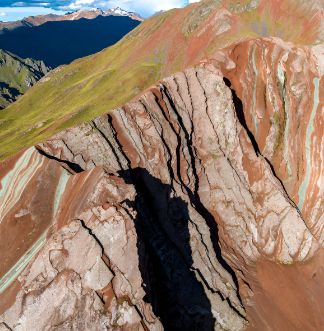
Despite the challenges, Cusco’s elevation offers incredible views and access to nearby high-altitude sites like Machu Picchu, Rainbow Mountain, and Sacsayhuamán. Whether you’re exploring the city’s narrow streets, visiting ancient Inca ruins, or preparing for your journey to Machu Picchu, Cusco’s altitude adds to the unique experience of being in one of the world’s most iconic destinations.
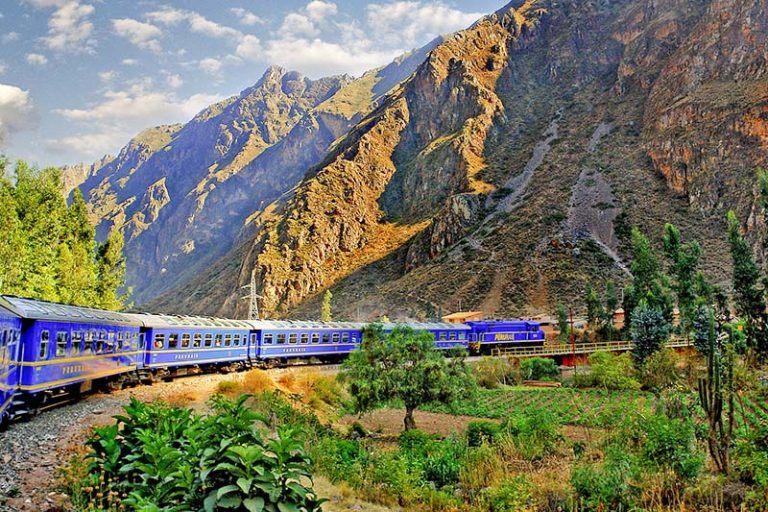
Planning ahead is essential for a smooth trip. If you’re booking transportation or tickets to Machu Picchu, Peruways can help you navigate every step of the process, from securing train tickets to providing expert advice on managing the altitude. With Peruways, your journey through Cusco and beyond is sure to be memorable and hassle-free.