
Cusco, the historic city in southeastern Peru, is renowned for its rich cultural heritage and stunning landscapes. However, one important aspect of visiting Cusco that travelers need to be aware of is its altitude. Sitting at approximately 11,200 feet (3,400 meters) above sea level, Cusco is significantly higher than most cities around the world. This altitude can impact visitors in various ways, making it crucial to understand and prepare for it.
The high altitude of Cusco means that the air is thinner, which can lead to altitude sickness or acute mountain sickness (AMS) for some people. Symptoms can include headaches, dizziness, nausea, and shortness of breath. To mitigate these effects, it is advisable to acclimate gradually. Spending a few days in Cusco before undertaking strenuous activities, staying hydrated, and avoiding alcohol can help your body adjust to the altitude more comfortably.
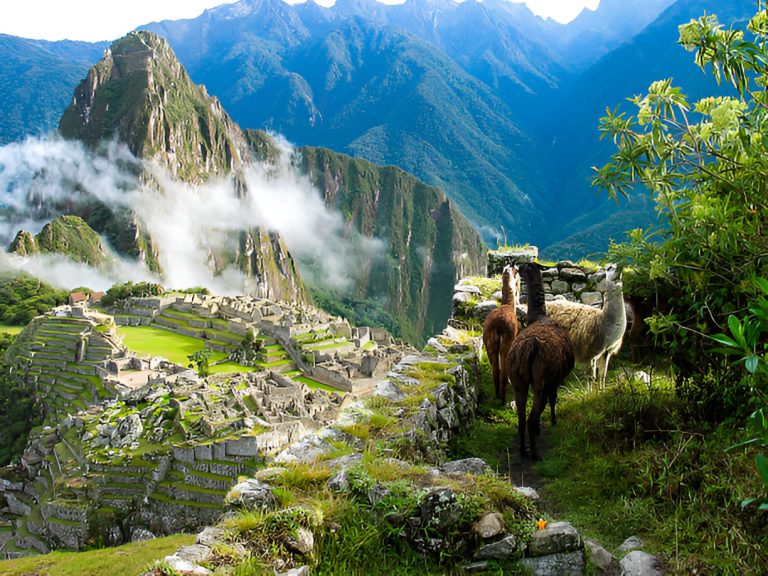
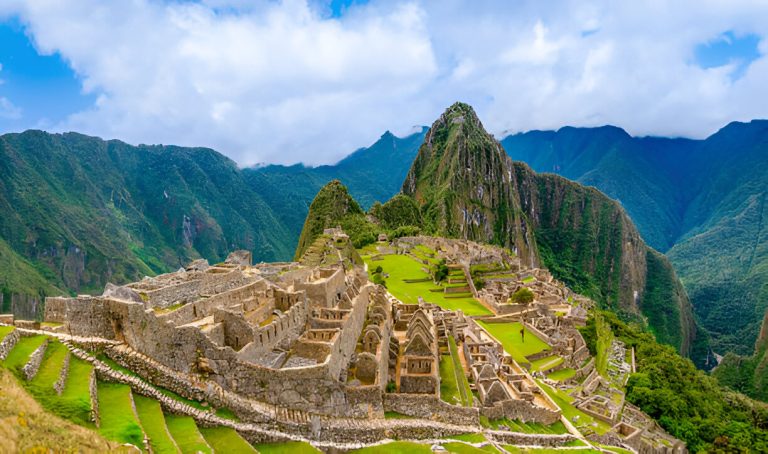
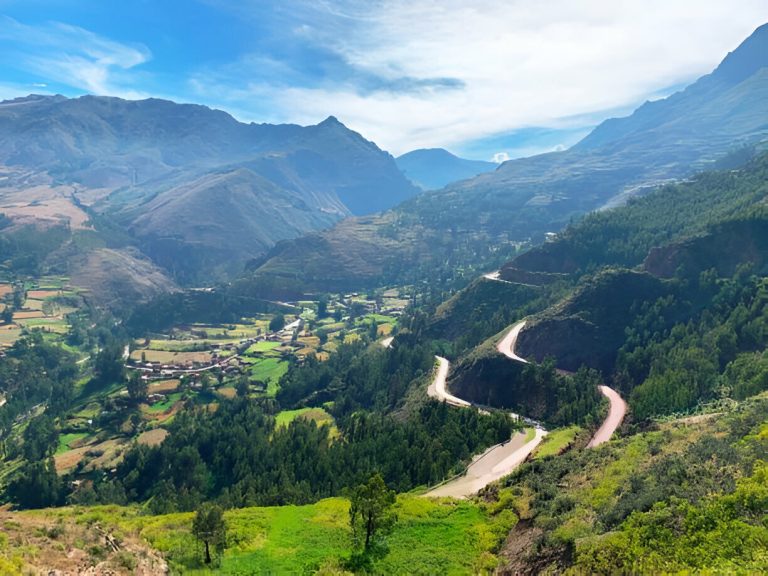
Despite these challenges, Cusco’s altitude offers a unique advantage: breathtaking views and a cooler climate compared to lower altitudes. The elevated position of Cusco provides panoramic vistas of the surrounding Andes Mountains, making it a perfect base for exploring the Sacred Valley and the iconic Machu Picchu.
For a smoother travel experience in Cusco, Peruways offers valuable resources and expert advice. Peruways provides detailed information on how to prepare for high-altitude travel and ensures that your visit is comfortable and enjoyable. Their services include tailored travel itineraries, acclimatization tips, and local guides who can help you make the most of your time in Cusco.
Whether you’re marveling at Cusco’s historical sites or venturing into the Andean highlands, understanding the city’s altitude and preparing accordingly will enhance your travel experience. Visit Peruways to plan your journey and get the most out of your adventure in Cusco.