Cusco in November is the shoulder between dry and wet seasons: mornings often clear, afternoon showers increasingly likely, prices lower, crowds thinner. For many travelers this is actually the sweet spot for a Machu Picchu trip.
1. Temperature:
Daytime 15–20°C, nighttime down to 5–7°C. Layers are the right call — a long-sleeve, a fleece, a packable rain shell. The sun at 3,400m is strong even on cool days, so sunscreen matters regardless.
2. Rain:
The wet season starts around mid-November. Expect short afternoon showers rather than all-day rain. A packable poncho beats an umbrella — easier on the Consettur bus and the terraces at Machu Picchu.
3. Landscape:
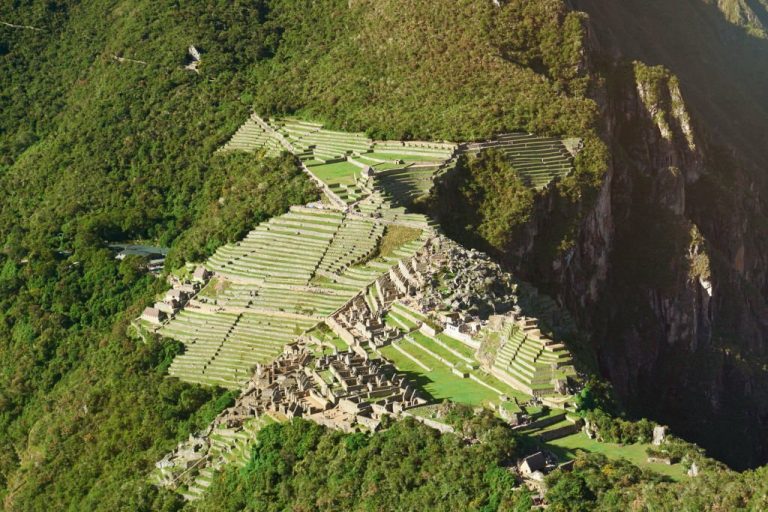
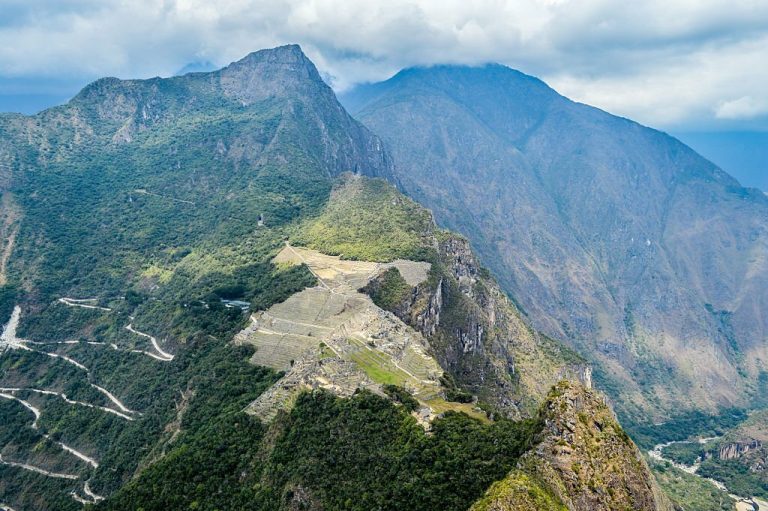
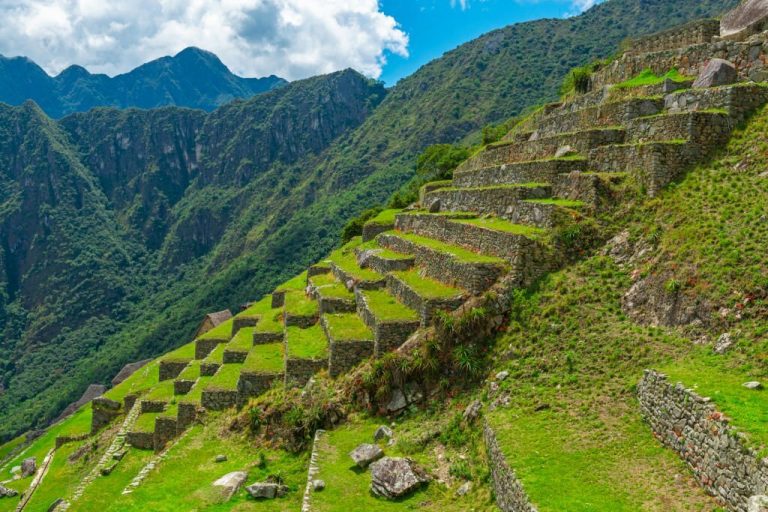
The Sacred Valley greens up through November. The terraces at Pisac, Moray and Machu Picchu look very different from the dry-season brown — closer to the colour the Incas actually planted them in.
4. Crowds:
Fewer than the June–September peak. Hotels run shoulder rates, Inca Trail permits are easier to secure, and the citadel’s timed slots are not sold out weeks ahead.
5. Packing:
Rain shell, warm layer, sturdy shoes, hat, sunscreen, insect repellent (the sandflies at Machu Picchu are real). A dry bag for the camera is worth the 10 bucks.
6. Festivals:
October–November is a festival month in Cusco. The procession of the Señor de los Milagros (Lord of Miracles) in late October–early November is one of the biggest in Peru. If you’re in town for it, go see it.
7. Machu Picchu in November:
Misty mornings, cleaner afternoon light, fewer visitors. The citadel in cloud is a different kind of photograph from the citadel in sun. The 6am entry slot is particularly worth it in November because the sunrise through the mist is spectacular.
November in Cusco rewards travelers who pack right and plan around the afternoon showers. Fewer crowds, lower prices, a different (and arguably better) look at the Andes.
Book your ticket here.